Get Full Government Meeting Transcripts, Videos, & Alerts Forever!
Get email alerts on the Solid Waste Call To Haul topic
No spam. Unsubscribe anytime.
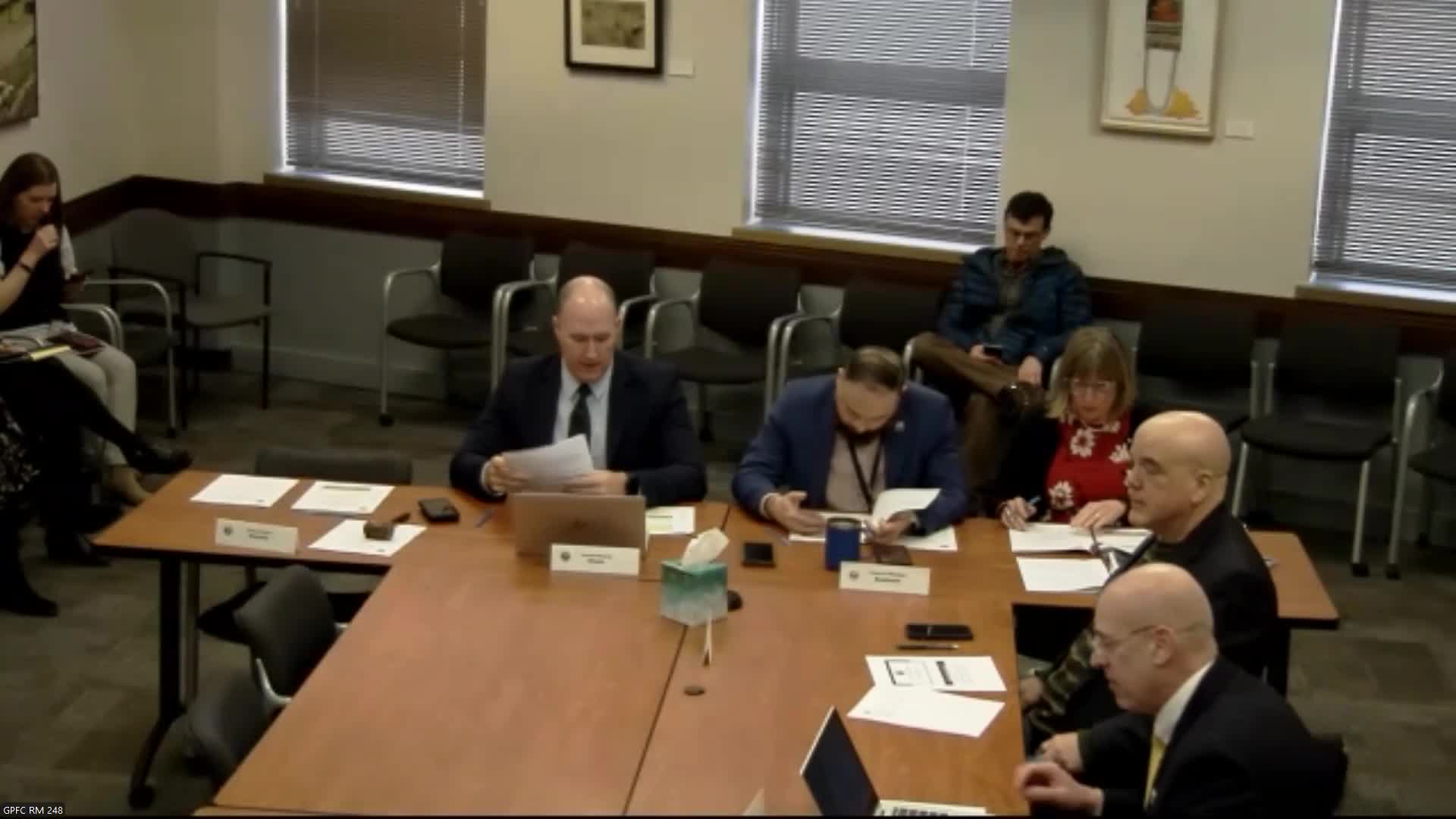
Tacoma committee forwards amendment to raise commercial call‑to‑haul rate, orders outreach pilot for multifamily
Summary
The Government Performance and Finance Committee on March 18 forwarded an amendment to Tacoma Municipal Code 12.09.120 to the full City Council that would raise the commercial call‑to‑haul fee from $75 to $1.15 per pickup and launch an outreach and engagement pilot focused on multifamily customers.
The Government Performance and Finance Committee of Tacoma on March 18 forwarded to the full City Council an amendment to Tacoma Municipal Code section 12.09.120 to increase the city’s commercial call‑to‑haul fee and to fund an education and engagement pilot for multifamily customers.
Louis Girdeth, division manager for the Solid Waste Management Division in the Environmental Services Department, and Hailey Falk, business services manager on the Rates and Budget team, told the committee the current flat fee of $75 per appointment has not been updated since 2014 and no longer reflects the city’s cost of service. Falk said a recent cost analysis found the true cost per pickup is about $145, and staff proposed three options for the committee: keep the $75 rate, raise it to $1.15 to phase toward cost, or set it at the full cost of service of $1.45.
“The plan is to do education and outreach and get input from multifamily property managers and residents about what might work better for them,” Girdeth said. He added the department is hiring a full‑time position to lead the outreach effort, which staff hope will be on board in the second quarter.
Falk told the committee the city currently classifies residential service as two units or less and everything else as commercial, so multifamily properties are treated under the commercial rate structure despite having different needs. Staff said residential customers receive two call‑to‑haul pickups included in their service and that residential demand averages roughly $3.75 per residential bill for the service; staff reported about 10,000 residential pickups a year and roughly 20% utilization on the residential benefit. By contrast, staff said commercial call‑to‑haul usage is low — on the order of a few dozen pickups per year under the current policy — which complicates direct cost allocation.
Several council members pressed staff for more context about private market rates and the city’s costs for cleaning up illegal dumping. “I think the cost for illegal dumping would be really great to include in this when we go to council,” Councilor Robles said, noting the financial burden illegal dumping places on neighborhoods. Vice Chair Bushnell supported breaking out multifamily as its own rate class and framing the city’s call‑to‑haul as a basic, affordable service for customers of city garbage service.
Staff recommended adjusting the ordinance to $1.15 per pickup as a gradual alignment with cost of service while maintaining an affordable option and committing to outreach to determine willingness to pay. If the committee’s recommendation is adopted by the full council in April, staff said implementation could follow in June after the required notice period and once the outreach position is in place.
The committee voted to forward the proposed amendment to the full City Council for consideration. The motion was moved and seconded and approved by voice vote.