Get Full Government Meeting Transcripts, Videos, & Alerts Forever!
Get email alerts on the Codes And Licensing topic
No spam. Unsubscribe anytime.
Builders criticize DCA code adoption speed, licensing backlogs and enforcement structure
Summary
Builders told the committee that rapid adoption of national codes, staffing shortages at licensing boards and lack of recourse for developers create inefficiency, safety concerns and long delays for applicants.
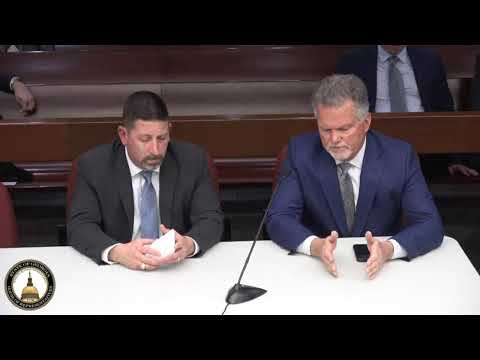
At the Small Business Development Committee meeting, builders criticized the pace of code adoption and the state’s licensing and oversight structure, saying both add cost and delay to construction and renovation projects.
Bob Bernard, a former state association president and remodeler from the Fayetteville area, described episodes where rapid adoption of new national codes created problems in the field. Bernard said some national changes (he cited arc-fault/GFCI breaker implementations) created operational failures in other states and were rushed into state codes before manufacturers and installers had resolved real-world problems. “We passed it…and 60 days later we have to go back,” Bernard said, describing examples where breakers tripped refrigerators or air-conditioning equipment after new requirements were implemented.
Bernard and others also criticized licensing and enforcement processes. Presenters said the licensing system that handles dozens of contractor boards is slow and under-resourced: historically the boards processed about 10,000 applications in a year, they said, but are now processing roughly 2,000 per year; two applicants presented as having waited two years for exam approval. Bernard said the licensing structure is centralized in a manner that he believes prevents efficient investigation and discipline, and that investigators are too few for the workload.
When the committee asked whether there is a state-level recourse for builders who face repeated local reviews, a Department of Community Affairs representative said builders can request a DCA interpretation in building-code disputes but that such interpretations are not binding and the ultimate judicial remedy is superior court.
Presenters also urged more autonomy and resources for licensing boards and stronger investigative capacity, and described how the current structure can encourage lax local enforcement: permitting officials sometimes accept an applicant’s license to issue a permit but do not then report performance problems to licensing authorities, making post-occupancy enforcement more difficult, presenters said.
No formal legislative measures were proposed during the meeting; committee members thanked speakers and indicated they would follow up on some of the issues raised.