Get Full Government Meeting Transcripts, Videos, & Alerts Forever!
Get email alerts on the Mental Health topic
No spam. Unsubscribe anytime.
Woodland Centers tells Meeker County commissioners demand for crisis care is rising as mobile-crisis funding faces a state "cliff"
Summary
Woodland Centers reported rising use of its services, described gaps in veteran outreach and warned the county board that mobile crisis funding faces a potential $8 million statewide cut unless the governor or Legislature provides more support.
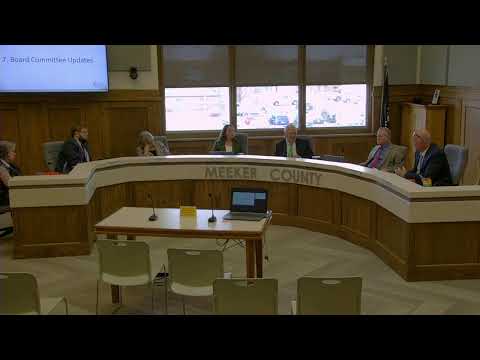
Woodland Centers executive director Ashley Chosai told the Meeker County Board of Commissioners on March 18 that the nonprofit saw 4,762 individual clients in 2024 and is expanding crisis and residential services as demand climbs.
"Our biggest commitment is we save lives," Chosai said, outlining services the center offers across seven counties including urgent care, mobile crisis response, short-term residential crisis beds and school-based services.
Woodland Centers described the approach as a spectrum: urgent care offers a middle ground for people who do not want inpatient care but need immediate help; mobile crisis teams perform community visits and partner with law enforcement; short-term residential units provide 3–5 day stabilization stays when needed.
Why it matters: Woodland Centers’ work is tied to county public safety and social services. Commissioners heard the presentation as staffing and funding pressures could affect how often mobile teams can respond and whether the clinic can open additional crisis beds.
Chosai presented several data points county officials asked to see. The center said it served 4,762 individual clients in 2024, that 61 percent of clients used Medicaid (down from roughly 70 percent before the Medicaid ‘‘unwind’’), and that the nonprofit provided 704 urgent-care services last year. Woodland reported it served 75 veterans in 2024 and said it wants to improve outreach to veteran populations through partnerships with veterans service offices.
Chosai said the center is a Certified Community Behavioral Health Clinic (CCBHC) and highlighted a state funding risk: "Right now, we have funding for the next two years, with the Governor's budget there is kind of a cliff where we're gonna lose about $8,000,000 in this program across the state, unless they put in more funding." She told commissioners that losing that support would strain operations because mobile crisis teams must be staffed 24/7 even if call volume fluctuates.
Board members asked about service access, beds and system capacity. Chosai said Woodland’s Wilmar facility houses short-term residential crisis units and that the center is renovating space to add beds. Woodland reported current beds of roughly six adult and five youth and said the remodel would increase capacity to about nine adult and six youth beds.
The center also described programs meant to bridge inpatient care and outpatient follow-up. Chosai said the organization conducts substance-use assessments in jails (funded through a behavioral health fund) so people leaving custody can go directly into treatment, and that Woodland is piloting clinician participation with a SWAT team to bring behavioral health expertise to high-risk calls.
On operational improvements, Chosai said Woodland has implemented measurement-based care tools and an AI-assisted documentation tool called Elio that reduced average session note time from about 15 minutes to roughly three minutes, saving clinician time for direct patient care.
Commissioners discussed budget implications. Several board members noted the possible downstream effects of lower Medicaid enrollment after the pandemic-era unwind and asked if the county should expect higher financial requests in coming budget cycles. Chosai said Woodland receives a mix of fee-for-service revenue, purchase-of-service county contracts and multi-year grants for mobile crisis and school-based mental health; she urged coordination with county social services to help re-enroll people in Medicaid.
Chosai closed by inviting board members to tour the renovated Meeker office once state licensing walkthroughs are complete and asked for continued county support as Woodland seeks to stabilize expanded services.
Woodland Centers is a private nonprofit behavioral health agency serving seven counties; commissioners said the presentation would inform upcoming budget deliberations and potential contract renewals with the county.