Get Full Government Meeting Transcripts, Videos, & Alerts Forever!
Get email alerts on the Mmip Aboriginal Affairs topic
No spam. Unsubscribe anytime.
DOJ Office of Native American Affairs aims to complete MMIP study in September 2025; report expected in 2026
Summary
The Office of Native American Affairs said it is still gathering tribal input and data for the Missing and Murdered Indigenous People (MMIP) study required by AB 3099, targeting completion of research by September 2025 and delivery of a legislative report in 2026.
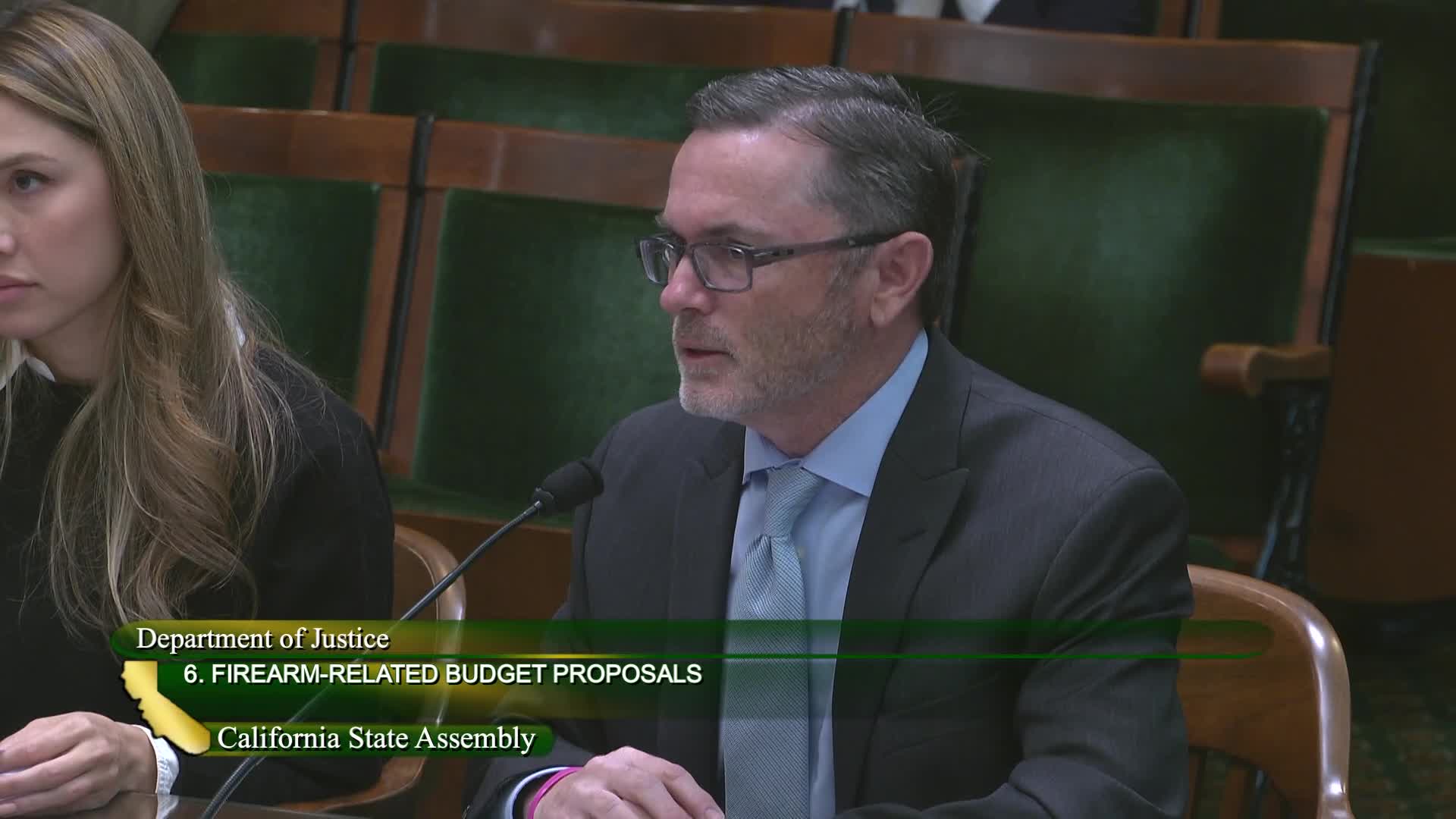
The Assembly subcommittee heard an update from the Department of Justice’s Office of Native American Affairs (ONA) on its study of missing and murdered Indigenous people (MMIP) in California, a task assigned under AB 3099.
Isaac Bojorkas, acting director of ONA, said the office is conducting interviews with tribal leaders, families and advocacy groups, hosting regional outreach events, consulting experts and collecting historical and contemporary data to build a robust understanding of MMIP in California. Bojorkas said ONA engaged consultants including Dr. George Blythe and Dr. K. Risling (Ketcha Risling) to assist with research and that ONA is pursuing a contract with the Indigenous Center of Law at UC Berkeley to help draft and contextualize findings.
On timing, Bojorkas said ONA anticipates completing the study portion of its work by September 2025 and expects to submit the statutorily required report in 2026 after internal approvals and review. ONA staff cautioned that earning the trust of tribal communities and families — some of whom have traumatic experiences dating to boarding‑school eras — takes time and contributes to the study timeline.
Why it matters: Accurate MMIP data and community‑based recommendations are central to policy development and potential resource allocations to address the crisis. ONA’s approach emphasizes community trust and comprehensive data collection, but also means policymakers should expect staged reporting and potential follow‑up requests for supplemental information.
Ending: Subcommittee members requested a written progress update and ONA agreed to provide timing details later in the week and follow up with the committee as its study nears completion.