Get Full Government Meeting Transcripts, Videos, & Alerts Forever!
Get email alerts on the Herring Counting Automation topic
No spam. Unsubscribe anytime.
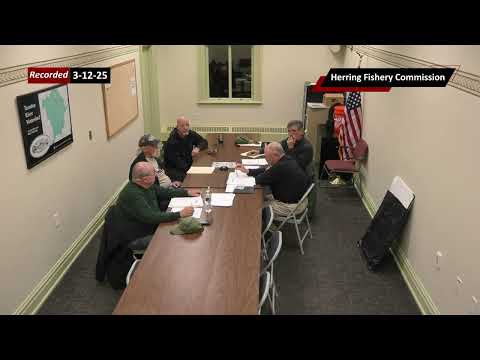
Commission agrees to let graduate student explore automated herring-counting tools; official counts to remain controlled
Summary
The commission agreed that a graduate student may work on an online/automated herring-counting system, but the commission reserved official data entry and final control to its existing counters and specifically to the commission member who maintains the records.
Commission members discussed an offer from a UMass Dartmouth graduate student in computer and data management to develop a more integrated, online method for recording herring counts and scheduling counts. The student has volunteered time and proposed a system that could allow online viewing and data-entry tools.
The commission agreed the student may consult with the commission’s longstanding counter, Dave, but commissioners were clear that the public should not be allowed to edit official counts. Dave explained he spends personal time transcribing the paper counting sheets into the commission’s spreadsheet and welcomed any automation that would save time provided it preserved a stable, auditable record and matched the state’s reporting format.
Why this matters: reliable, consistent counts are the the basis of state reporting and local management decisions. Commissioners emphasized the need for controls and for preserving historic records (paper and electronic) rather than allowing direct public edits.
Discussion and decision Members raised concerns about public data input via open forms (Google Forms) and the risk of inconsistent or erroneous entries. The commission’s decision: allow the student to work with Dave to explore automation and interfaces, but keep the official counts under the control of the commission’s designated counters. “We agree that he speaks to Dave. Him and Dave can make the decision, not not anyone else,” one member said, endorsing a restricted pilot approach.
Next steps Dave and the student will meet to identify technical requirements (formatting that matches state reporting, ways to archive annual records and a method to preserve the current manual verification process). The commission asked that any pilot preserve one authoritative dataset and not permit public editing of those official counts.