Get Full Government Meeting Transcripts, Videos, & Alerts Forever!
Get email alerts on the Bridge Replacement topic
No spam. Unsubscribe anytime.
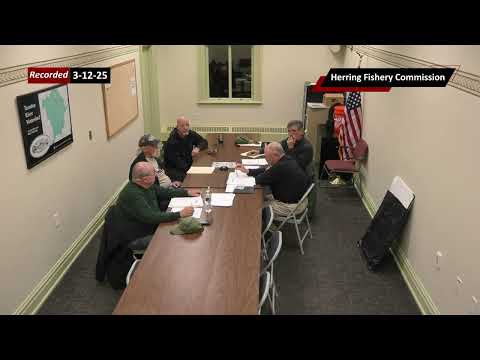
Commission reviews Oliver Mill bridge replacement plans, stresses herring passage protections
Summary
Town engineer plans for replacing two footbridges at Oliver Mill were discussed; commission reiterated its 2018 no-objection stance provided work stays within existing cofferdam footprints and does not block herring migration.
Town engineer Mike Orenberger sent plans for replacing the pedestrian bridges at Oliver Mill and for repairs to nearby channel walls; commission members reviewed the plan and discussed potential impacts on herring migration and channel stability.
Why this matters: the river’s annual herring migration peaks in mid-March through April and, according to commission members, any construction that affects fish ladders, the main channel or migration corridors could harm runs. The commission’s stated focus is protecting herring passage rather than aesthetic features.
What was discussed Orenberger’s materials — circulated electronically and too large to print at the meeting — describe two bridge replacements (Channel A and Channel B) and repairs to channel walls within the temporary cofferdam footprints for replacement. Commissioners noted there is a bid alternative for repair of the Lehi Channel A wall; that alternative may or may not be funded depending on bids. Members also recalled a 2018 commission letter that raised no objection to the proposed bridge reconstruction provided any cofferdams remain within the footprint of existing dam structures and walls, sandbagging around stone piers would not impact herring habitat, and removal of current bridges by hand or small machines would not disrupt migration.
Commission perspective Some members questioned whether replacing decorative bridge elements is a good use of money when channel handwalls need repair. “The only thing we have to be concerned with is whether it’s gonna impact herring passage or not,” one commission member said, adding that individual residents are free to express design preferences to the powers that be but the commission’s role is to monitor fish passage impacts. Another member noted a building inspector previously found no structural problem with an earlier replaced bridge, and characterized some bridge work as largely cosmetic.
No formal action was taken on the bridge plans at the meeting. Commissioners said Orenberger will keep them informed and that they will have an opportunity to provide input as contractor bids and a notice-of-intent application proceed.