Get Full Government Meeting Transcripts, Videos, & Alerts Forever!
Get email alerts on the Private Equity Healthcare topic
No spam. Unsubscribe anytime.
Attorneys and advocates press Connecticut to curb private equity ownership of hospitals after Prospect Medical failures
Summary
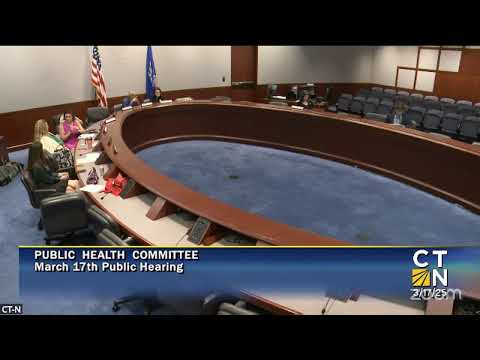
Multiple witnesses told the Public Health Committee that private equity ownership of hospitals creates misaligned incentives and harms patients and staff; speakers cited Prospect Medical Holdings and Waterbury Hospital as examples and urged legislative scrutiny of private equity transactions in health care.
Chris Matty, a private-practice attorney and former federal prosecutor, told the Public Health Committee that "private equity ownership of healthcare facilities is simply incompatible with the delivery of healthcare in the state of Connecticut." Matty urged lawmakers to consider prohibitions or limits in response to recent failures by Prospect Medical Holdings and other private-equity-owned health systems.
Matty said private-equity investors seek short-term, high rates of return and that those incentives can lead to loading hospitals with debt, selling off assets and cutting investments that maintain clinical quality. "It is very hard to see how the health care mission aligns with what [private equity's] duty to their investors is," he said.
Several other witnesses supported scrutiny or restrictions. Rosanna Ferrara, policy director at the Universal Healthcare Foundation of Connecticut, told the committee she and her organization "wholeheartedly agree" that private equity does not belong in health care. Tom Gilberti, president of the Southern Connecticut State College Democrats, recounted complaints from Waterbury Hospital staff and said state investigators found unsafe conditions at the facility after the Prospect takeover.
Witnesses cited concrete harms they say follow private-equity ownership: short staffing, deferred maintenance and equipment problems, cuts to training and services, and increases in patient complications. Matty described private-equity-owned hospitals as "a financial firm masquerading as a hospital," saying patients and staff become "widgets in a financial enterprise."
Committee members asked about potential trade-offs, including whether forbidding private equity would raise costs or reduce capital for struggling hospitals. Matty responded that some hospitals accepted private-equity deals as a perceived lifeline that instead worsened financial stability and community outcomes. Supporters urged transparency, transaction review and statutory limits on ownership structures; no committee vote on any related bill was recorded during the hearing.