Get Full Government Meeting Transcripts, Videos, & Alerts Forever!
Get email alerts on the Staffing topic
No spam. Unsubscribe anytime.
West Bend district outlines preliminary 2025–26 staffing priorities, cites enrollment trends and budget uncertainty
Summary
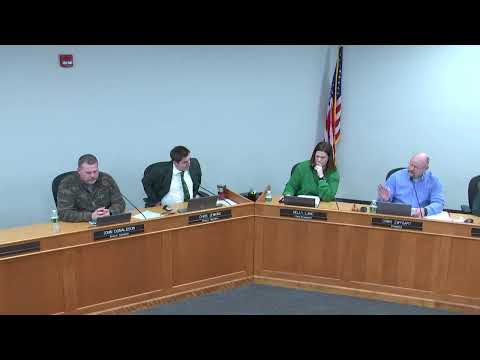
Assistant Superintendent Lenny Hansen presented the district's preliminary staffing priorities for 2025'26, saying the plan will prioritize sustaining programs while adjusting staffing through attrition in response to declining enrollment and the end of federal pandemic funds.
Assistant Superintendent Lenny Hansen presented the West Bend Joint School District No. 1's preliminary staffing priorities for the 2025'26 school year, outlining how enrollment trends, student needs and budget projections will guide staffing decisions.
Hansen told the board the district's three core drivers are student needs, enrollment and budget. "Our core drivers, our core priorities don't fluctuate a ton because they really revolve around a few key items," Hansen said, describing staffing as the district's "biggest expense and most important expense of the year."
The presentation flagged a continuing decline in enrollment that is now projected to affect the high school more noticeably, with implications for course sections and staffing levels. Hansen said the district expects to manage reductions primarily through attrition (retirements and one-year contract nonrenewals), not large-scale layoffs, and that a formal staffing plan will be returned to the board in April for discussion and approval.
Hansen reviewed other budget factors the district is tracking: the state's biennial budget (not finalized until summer), the expiration of federal ESSER pandemic claim authority in September 2024, and a long-term gap between revenue limit increases and inflation. "We plan for all those contingencies," he said, adding the district has sought to stretch one-time federal funds strategically.
The presentation described program and staffing priorities: sustaining existing opportunities (including career and technical education), maintaining historical class-size norms, preserving student services positions that were added during the pandemic where possible, and continuing the district's virtual program and instructional-coaching model. Hansen said the district will match staffing to elective registration trends and review positions across departments to align resources to need.
Board members asked for additional data. One asked for a historical accounting of positions added and reduced since 2020; Hansen said he would provide specific FTE data rather than speak off the cuff. Hansen and other administrators confirmed they will return to the board in April with a detailed staffing plan timed to state statutory deadlines for certified staff contract renewals.
The presentation also noted curriculum and instructional work that will influence staffing demands: a district committee recommended new math resources and the district will continue to refine ELA and math approaches for secondary grades.
The discussion concluded with board requests that the administration bring an FTE summary showing where staffing has increased or declined in recent years and a formal timeline for the April staffing-plan presentations.
The board did not take formal action on staffing at the meeting; the item was presented for discussion and follow-up.