Get Full Government Meeting Transcripts, Videos, & Alerts Forever!
Get email alerts on the Sewer Infrastructure topic
No spam. Unsubscribe anytime.
Maumee reaches agreement parameters with Ohio EPA on sewer fix plan; SSES due April 1
Summary
City leaders said they agreed with the Ohio Environmental Protection Agency on parameters for a Facility Capacity Analysis and will submit a revised Sewer System Evaluation Survey to state officials April 1, moving the city toward a consent decree that would unlock low-interest loan funding and allow in-home repairs under the loan program.
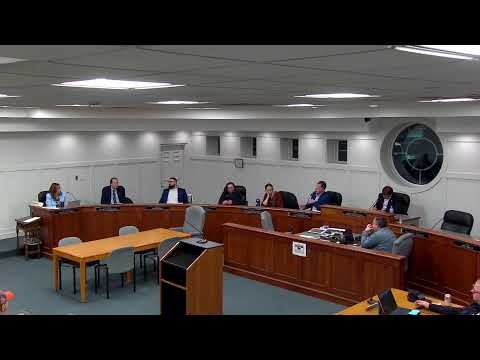
Maumee city officials told the City Council that they have reached agreement with the Ohio Environmental Protection Agency on parameters for the city’s Facility Capacity Analysis (FCA) and related schedule and will file a revised Sewer System Evaluation Survey (SSES) by April 1.
The administration said the parameters agreed with the EPA will allow the city to seek a longer repayment term on water-pollution revolving loan fund money that the city says is critical to completing inflow and infiltration work without building large storage tanks. Mayor Patrick McDonald said the city first sought approval from the EPA for a 75% reduction in inflow and infiltration but ultimately agreed to a 50% reduction to secure a longer schedule and avoid unnecessary storage tank construction.
In the council chambers, officials emphasized the timing: the city needs a multi-year window to do as much inflow and infiltration reduction as possible and to use flow meters to prove additional tank construction is unnecessary. The administration said the EPA initially offered a 15-year schedule but later proposed 17 years (and different uptown storage timelines). The city said that an 18-year schedule — with 12 years for the uptown area — would give the city five to seven years for construction followed by a three-year metering period, which officials said would reduce the chance of building expensive storage tanks that may become obsolete.
City staff also described operational steps required now that parameters are agreed: the revised SSES report will be submitted April 1, and the city will then submit the plan to the Ohio Attorney General’s office for a consent decree that the administration says will allow use of low-interest loan money for work inside private homes. Finance Director Jennifer Harkey gave a status update on inspections, saying, "Over 1,600 inspections scheduled." Officials also said they have been meeting with residents about the program ("I've now met with over 370 different people"), and advised homeowners to wait until May or June to solicit contractor bids for in-home work tied to grant/loan programs so contractors will hold realistic prices.
The administration said the FCA and schedule terms affect borrowing length but not the interest rate, and that the city and staff hope a faster construction window offsets the costs of any short-term storage solutions the EPA wants as a stopgap. City staff identified Stantec as the consultant the city used to prepare the FCA.
Officials repeatedly framed the agreement as a compromise reached to avoid enforcement action and to secure the longest feasible schedule that still meets EPA expectations; they said the revised SSES and the consent-decree process are the next formal steps.
The council did not take a separate formal vote on the EPA parameters during the meeting; staff described the agreed parameters and the upcoming submissions and next steps.