Get Full Government Meeting Transcripts, Videos, & Alerts Forever!
Get email alerts on the City Auditor Audit Plan topic
No spam. Unsubscribe anytime.
City Auditor outlines plan to broaden audits, seeks community tips on 911, complaint process and customer service
Summary
City Auditor Nathan Pickard told the Tulsa Human Rights Commission his office will expand performance audits, invite resident requests starting this July and prioritize issues such as 911 response times and the city complaint process.
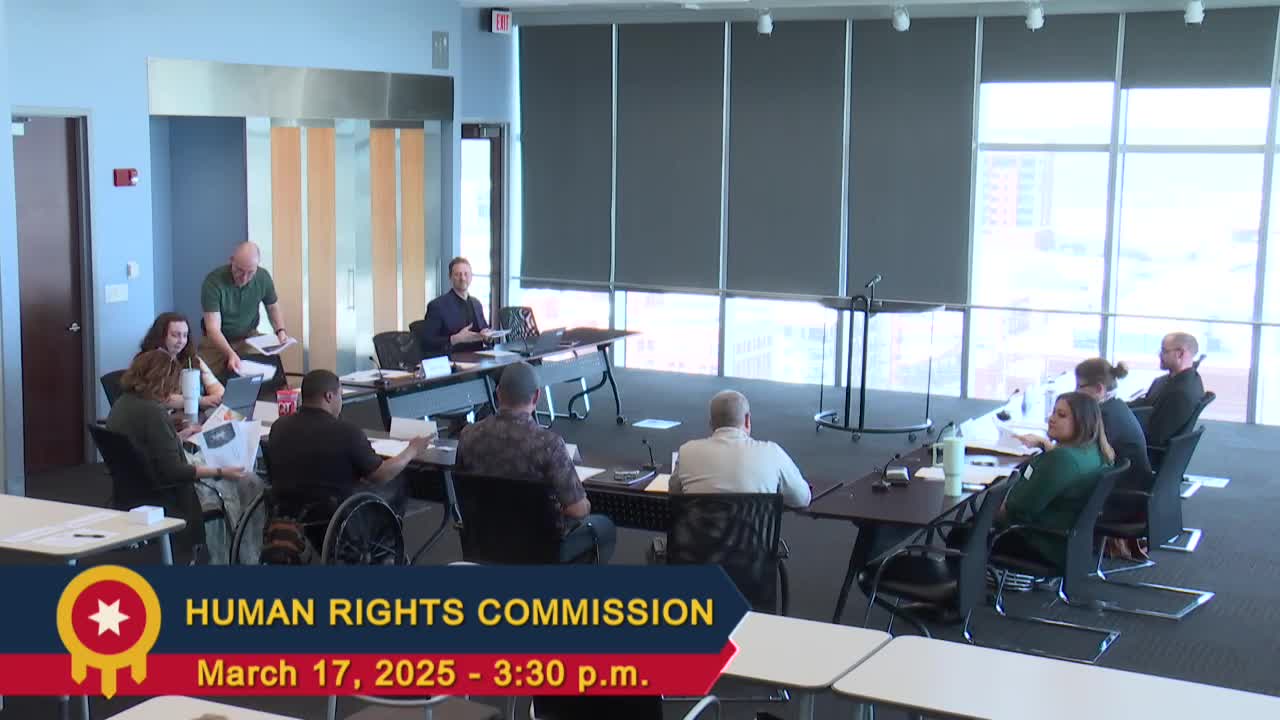
City Auditor Nathan Pickard told the Tulsa Human Rights Commission on March 30 that his office will broaden traditional financial audits to include citywide performance reviews and is soliciting input from residents and commissions to shape next year’s audit plan.
Pickard said the auditor’s office will begin a new, risk-based annual audit plan in July and that residents will soon be able to submit requests through a form on the office’s website. "Our mission is we provide accountability and build community trust by listening to residents and employees performing audits, reviews, consulting, and reporting," Pickard said.
The auditor emphasized structural independence under the city charter, noting the auditor is an elected position and “shall not be subject to item veto or reduction by the mayor,” and described access to city records as broad while noting some exceptions for Title 60 trusts. He said the charter and city ordinances also allow the office to perform performance audits of city programs, not just financial reviews.
Commissioners and members raised examples of issues they want considered, including 911 call-center response times and the accessibility of the complaint process for human-rights concerns. Commissioner Desiree Edwards said 911 response can vary by time of day and location; Pickard confirmed response-time reviews would qualify as performance audits and that the office typically audits against policies, procedures or best-practice standards.
Pickard described ongoing changes in how the office gathers risk items: historically the office solicited department-head input and employee surveys; he said he is expanding that to include resident submissions, a broader annual risk assessment and ‘‘agile’’ assessments for quicker, collaborative reviews. He said the office has roughly a dozen staffers and historically completes about 10 audits a year, and that he will present an annual audit plan to the audit committee before July.
Commission members also asked about audits of city contracts and outside partners. Pickard said the auditor can review organizations that receive city funds if a contract or agreement includes an audit or right-to-audit clause, but noted entities structured as Title 60 trusts fall outside the auditor’s jurisdiction.
Pickard said transparency and community engagement are priorities: the office plans a public-facing site to track audit recommendations and implementation. "We want residents to have access to necessary data, information, knowledge, and insights about their government," he said. He also described an ethics hotline and a process for special requests from the council.
The auditor told the commission he began the term in December and will run audit planning by fiscal year; the current transition year will include a short-term plan through June and a new plan starting in July.