Get Full Government Meeting Transcripts, Videos, & Alerts Forever!
Get email alerts on the Fair Rent Commissions topic
No spam. Unsubscribe anytime.
Fair‑rent commission opponents tell Judiciary Committee UAPA would add costly formality
Summary
Housing advocates, municipal staff and lawyers urged the Judiciary Committee to reject House Bill 71‑40, warning that applying the state Administrative Procedure Act to municipal fair‑rent commissions would impose unnecessary costs, legalism and staffing demands on volunteer boards.
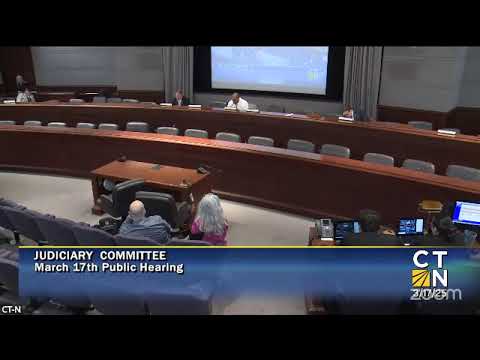
Hartford, Conn. — Dozens of fair‑housing advocates, municipal staff and lawyers told the Judiciary Committee on March 17 that House Bill 71‑40 would impose unnecessary formal procedures on municipal fair‑rent commissions by making them subject to the Uniform Administrative Procedure Act.
Speakers including Daryl Fennell, a longtime attorney and fair‑rent commissioner; Dahlia Romano of the Connecticut Fair Housing Center; Rafael Podolsky of Connecticut Legal Services; and representatives from New Haven’s commission argued the UAPA is designed for state agencies with full‑time professional staff, not locally appointed volunteer boards. They said mandating UAPA contested‑case procedures would create heavy legal formality — notice pleading, offers of proof, objections, transcription duties and potentially attorney‑fee exposure on appeal — that most towns cannot absorb.
“The fair rent commission is a board of equity made up of local volunteers,” said Rafael Podolsky. “There’s no problem in the way they’re operating that needs this level of judicialization.”
Daryl Fennell, who has served on a municipal fair‑rent commission, warned that borrowing the UAPA’s contested‑case apparatus would import collateral statutory consequences — including expanded appeal rights and fee provisions — and could discourage volunteer participation and spur costly transcription and record‑keeping requirements. He said most appeals to Superior Court are handled today by sending transcripts and documents and that full UAPA treatment would be disproportionate.
Municipal officials and housing attorneys said commissions already keep records and run hearings in public, and that the bill would make hearings more adversarial and expensive and could delay resolution of rent disputes. Connecticut Legal Services and the Fair Housing Center said the bill is unnecessary and would deter access to dispute resolution for tenants.
Proponents of the bill have said making the record requirements explicit would assist appellate review. Committee members asked witnesses whether clarifying statutory record duties could be written in a narrower way to preserve volunteer boards’ practicality while giving Superior Court an adequate record on appeal.
The committee will consider those drafting options in the days ahead.