Get Full Government Meeting Transcripts, Videos, & Alerts Forever!
Get email alerts on the Racial Impact Statements topic
No spam. Unsubscribe anytime.
Commission urges committee to implement racial and ethnic impact statements with clearer timelines and procedures
Summary
The Commission on Racial Equity in Public Health asked the Judiciary Committee to pass a bill (SB 15‑06) to operationalize racial and ethnic impact statements for legislation, recommending tighter timelines, a collaborative rulemaking process with legislative caucuses and statutory authority for staff access to agency data.
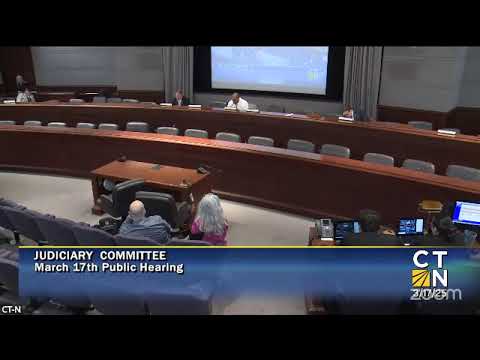
Hartford, Conn. — The Commission on Racial Equity in Public Health asked the Judiciary Committee on March 17 to advance legislation (referenced as SB 15‑06 during testimony) that would operationalize “racial and ethnic impact statements” (RICE) already created in statute but not yet implemented.
Priscilla Trumptey Goodwin, executive director of the Commission, testified that Public Act 18‑78 established the tool to predict how proposed legislation would affect racial and ethnic disparities, but that the statute was never implemented because there are no formal rules and staff assigned to produce the statements.
“RICE has yet to be implemented,” Goodwin said. “We have recommended three changes to the statute — timeline, process and access to information — that are necessary for successful implementation.”
The bill proposes shortening the request turnaround for analysts (from 10 days to two days within the joint filing deadline), creating a process to memorialize procedures in a letter from the Commission to legislative leaders and giving analysts statutory access to agency data, Goodwin said. She acknowledged the shorter timeline reduces request flexibility but argued it ensures analysts have adequate time ahead of the legislative file‑copy deadline to prepare meaningful statements.
Representative Fishbein and other committee members pressed witnesses on whether a shortened timeline would cut the number of requests and on whether amendments should be eligible for re‑review. Goodwin and other witnesses said the Commission intends to collaborate with caucuses in rulemaking and that Colorado’s experience suggests an upfront, bipartisan working process — and an optional update for amended bills — can address feasibility concerns.
The committee’s discussion focused on balancing the need for timely, usable analysis with procedural flexibility for legislators. Several members said they want to preserve opportunities to seek statements on amendments while ensuring analysts have enough time to produce high‑quality assessments.
The Commission recommended using the 2026 session to pilot RICE reports, finalize rules and ensure staff capacity. Committee members said they will continue to work with the Commission on the language and timeline.
Source: Testimony by Priscilla Trumptey Goodwin, Commission on Racial Equity in Public Health; committee Q&A, March 17, 2025.