Get Full Government Meeting Transcripts, Videos, & Alerts Forever!
Get email alerts on the Second Look Sentencing topic
No spam. Unsubscribe anytime.
Supporters push shorter wait, fewer gatekeepers for Connecticut sentence‑mod law
Summary
Formerly incarcerated advocates, reentry organizers and national groups urged lawmakers to let more people seek sentence review sooner — and to remove prosecutorial gatekeeping and mandatory‑minimum exclusions from Connecticut’s sentence‑mod statute.
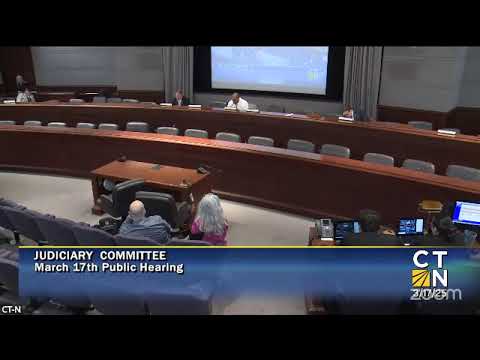
Hartford, Conn. — Dozens of advocates, formerly incarcerated people and national groups on March 17 urged the Judiciary Committee to endorse Senate Bill 13‑27, a proposed change to Connecticut’s sentence‑modification system that would shorten the wait to reapply after a denial and broaden eligibility for review.
The bill would allow people who have been denied a resentencing application to reapply after two years instead of five; it would remove a prosecutor’s ability to block some post‑plea petitions; and it would make people serving mandatory minimum sentences eligible for judicial resentencing — changes backers said would correct longstanding inequities.
“We must establish a system that effectively provides individuals who have received treatment the opportunity for a second look and a second chance for redemption,” testified Gaylord Stalters, who said he benefited from a 2022 sentence modification after two decades wrongfully incarcerated. “The law that changed allowed the steps I took in prison to come to the forefront.”
Formerly incarcerated men and women, reentry advocates and academic experts described examples where survivors of trauma, people who completed extensive programming, and people who were wrongfully convicted were blocked from relief by procedural rules or mandatory minimums. They argued the change would not give automatic relief; instead, it would create more opportunities to bring evidence of rehabilitation, post‑conviction developments and new evidence to judges.
Supporters also included researchers and national groups who cited recidivism research showing low reoffense rates for people released after lengthy terms and urged courts to have discretion to consider new information. “These reforms allow courts to consider the totality of a person’s life, not only the decisions made decades earlier,” a representative of a national sentencing‑reform group told the committee.
Prosecutors and the Division of Criminal Justice raised operational concerns: potential increases in hearings, impacts on victim outreach and strains on courtroom resources if applications are filed more frequently. State’s Attorney Jack Doyle told the committee his offices have already seen a large growth in applications since Connecticut changed its law in 2021 and said prosecutors are worried about the frequency and logistics of contacting victims and handling additional hearings.
Multiple witnesses suggested there are pragmatic compromises: narrower eligibility rules, better notice options for victims, and clearer standards for courts. Supporters said those implementation details can be refined in committee, but urged lawmakers to advance the core reforms as a matter of equity and public safety.
If enacted, SB 13‑27 would change the cadence of post‑conviction review in Connecticut and affect thousands of people held under long sentences.