
Kansas behavior‑analyst advisory committee to study AI use and DEI continuing-education proposals amid legislative friction
Get AI-powered insights, summaries, and transcripts
Subscribe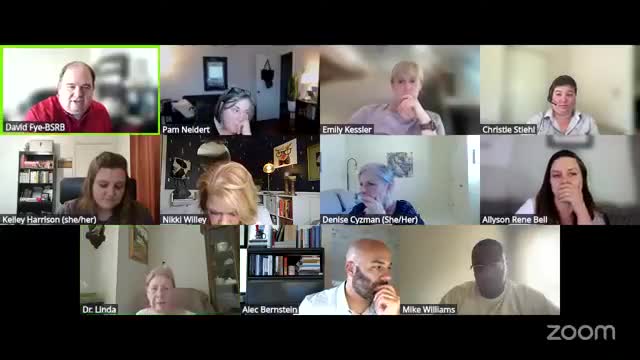
Summary
Committee members discussed artificial intelligence tools and ethical considerations for autistic populations, and reviewed the fraught legislative history of proposed continuing-education hours for cultural diversity (DEI). The committee agreed to continue the AI conversation and keep DEI on future agendas.
Members of the Behavior Analyst Advisory Committee discussed artificial intelligence in clinical settings and the history of legislative resistance to required cultural-diversity continuing education.
David Fye briefed the committee on a recent forum hosted by the Information Network of Kansas (INC) that considered state-level AI tools such as a basic website chatbot for FAQs. “I had not thought about using a chatbot for that function,” Fye said, noting the concept is intended to make agency information more accessible without expanding regulatory authority into AI oversight.
Fye also told the committee about press reports that a federal appropriations bill once contained a provision that would limit states’ ability to regulate AI for 10 years; he said states are opposing that provision and it is not final. Linda Heissman Powell, committee chair, and other members raised concerns about the potential effect of a long federal bar on state oversight, particularly given rapid technical change.
The committee reviewed a document provided by staff on the ethical and practical considerations of AI when working with autistic individuals, including technology that reads facial cues or augments learning. Committee members agreed to keep AI on the agenda for more in‑depth study and to examine guardrails for vulnerable populations.
DEI continuing-education history Committee members also reviewed the recent state-level legislative history for DEI continuing education. Fye recounted that the board twice recommended adding a 3-hour cultural-diversity CE requirement (proposed initially for psychologists), but the Legislature removed the DEI provision both times. In the most recent session the Legislature reduced required diagnosis-and-treatment hours from six to three, with the change taking effect July 1, 2025. “I think the board has a certain responsibility to have conversations on this,” Fye said, but he warned that the board’s proposals previously faced strong legislative opposition.
Why it matters: Rapid improvements in AI and ongoing state legislative changes on continuing education may affect practice standards, training expectations and what regulatory action the state can take to protect patients.
Next steps: Committee members asked staff to keep researching state and federal developments on AI regulation and to review the AI ethical guidance document in more detail at upcoming meetings. Members also said they would continue to recommend DEI-related education to the board and to keep it on advisory meeting agendas.
Quotes from the meeting “It appears that there was an appropriations bill that included a provision that if this federal appropriations bill was passed, it would limit state's ability to regulate artificial intelligence for 10 years,” David Fye said.
“I just think it's important. So and then hot off the press, there's that other document that, David sent out that I think it would be good, to read this and look at it particularly because a lot of us are involved in autism care,” Linda Heissman Powell said.
Ending The advisory committee agreed to continue AI and DEI issues on future agendas, request additional staff research and, where appropriate, prepare recommendations to the board.