Get Full Government Meeting Transcripts, Videos, & Alerts Forever!
Get email alerts on the Ethics Commission topic
No spam. Unsubscribe anytime.
Lancaster City holds final interviews for ethics commission applicants; council to nominate at June 10 meeting
Summary
Five applicants completed final interviews for the Lancaster City ethics commission. Applicants outlined relevant public‑service and nonprofit experience; the council will hear nomination motions and is charged with appointing three members at its June 10 regular meeting.
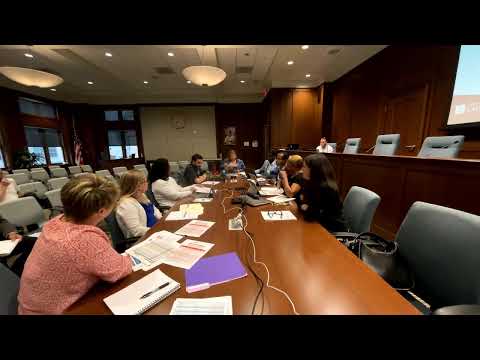
Lancaster City council heard final interviews from applicants to a new ethics commission at a committee meeting Tuesday night and will consider motions to nominate at the regular council meeting on June 10.
Applicants interviewed included Paul Culbreth and Christopher (Chris) Sault (introduced to council as Christopher Solt); each affirmed that their primary residence is in Lancaster and that they had not held appointed or elected city office, political party office, or a political‑action committee position in the prior year, as required for the record.
Paul Culbreth described a long career in local nonprofit and public‑service roles, saying he had worked for the Boys & Girls Club of Lancaster, then in the county children and youth department, later serving as president and CEO of the Urban League of Lancaster, and retiring as director of multicultural affairs, student engagement and retention at Thaddeus Stevens College. Culbreth told council that integrity and transparency are central to building public trust and said an ethics commission should “review and report” and that enforcement actions would be up to the city as provided by law.
Christopher Sault said he moved to Lancaster in 2018 after decades in other cities, described a career in the fair‑trade movement, and identified roles including vice president of the World Fair Trade Organization. Sault said he would recuse himself when personal relationships could present a conflict and that commission members should “ground ourselves in the basis of the ethics act,” referring to state law that governs municipal ethics requirements.
Councilors asked applicants how they would separate personal beliefs from impartial decision making, how they had handled prior ethics or personnel complaints, and how they would ensure consistent decisions regardless of an individual’s political power or connections. Candidates described experience in human resources, nonprofit governance and public‑facing roles and said they would recuse themselves where appropriate.
Why it matters: The ethics commission is a key element of Lancaster’s new charter governance. Council members will nominate candidates at the June 10 meeting; the council is charged with appointing three members to the commission.
Next steps: The council president said motions to nominate will be heard at the June 10 regular meeting of council; applicants are not required to attend that meeting but are welcome to do so.