Get Full Government Meeting Transcripts, Videos, & Alerts Forever!
Get email alerts on the Administrative Code topic
No spam. Unsubscribe anytime.
Lancaster City begins multi‑month review of administrative code under new home‑rule charter
Summary
City solicitor Barry Handwerger outlined the legal basis and schedule for drafting Lancaster City’s administrative code under the home‑rule charter, and council set a series of work sessions ahead of first‑reading and adoption votes this fall.
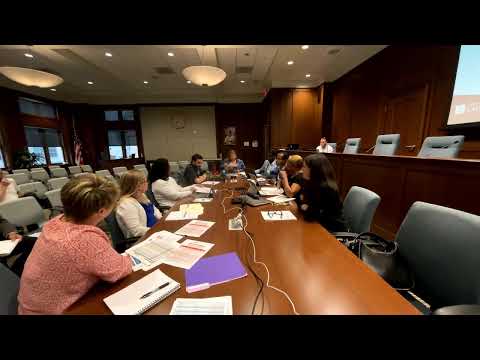
Lancaster City council members began a multi‑month review of a draft administrative code at a committee meeting on Tuesday as the city transitions from third‑class status to home‑rule government.
City Solicitor Barry Handwerger framed the work as an implementation step required by the home‑rule charter the city adopted in November 2024, saying the code will set procedures the city will follow in exercising its powers under the charter. “With home rule, you can now do anything that state or federal law does not prohibit,” Handwerger told council as he described the scope and structure of the draft code.
The administrative code will organize internal procedures — for budgeting, accounting, procurement, personnel, boards and commissions, records retention, and other items — while leaving ordinance‑level matters such as zoning, building codes and stormwater regulation unchanged. Handwerger said some material will be carried forward from the city’s existing codified ordinances, others updated, and some new sections added to meet charter requirements, including a provision on forfeiture of office.
Why it matters: The administrative code will be the principal tool the council uses to set operational procedures under Lancaster’s home‑rule charter; council members will be able to amend it later by ordinance, but adopting the code is the step that completes the municipal transition from the constraints of third‑class city law to broader local self‑governance.
Council members were given a draft and a timetable for review. The solicitor’s office plans to present the first tranche of material at a work session on June 17, with follow‑up review sessions currently scheduled for July 15, Aug. 19 and Sept. 16. The timeline presented calls for a first reading of the administrative code ordinance on Oct. 28 and a second reading and vote on Nov. 11.
Council and staff emphasized that the ethics code remains central to the drafting work and will be incorporated in the second phase. Handwerger said the schedule depends on input from the yet‑to‑be‑appointed ethics commission: that body must be seated and provide guidance before some ethics‑related sections can be finalized.
Council members discussed how the work sessions will be run. The council president said the meetings are intended as deliberative work sessions, not votes: councilors can ask questions and give direction but formal legislative action will come later at regular council meetings. Councilor Diaz asked whether draft sections will be translated for residents who do not read English; the mayor and solicitor said translations would be considered but noted budget and staffing limits could restrict translating iterative drafts, while saying targeted translations of key sections are possible.
Handwerger asked councilors to review the home‑rule charter closely before the June 17 session, saying familiarity with the charter will make it easier to see where the draft code expands on or implements charter provisions. He described the code as a “living” document that can be changed later by ordinance and urged members to use the month between sessions to submit written questions so staff can prepare researched responses.
Next steps: The solicitor’s office will circulate the first draft tranche to council and the public ahead of the June 17 work session and accept written questions. Council will review answers and suggested language at the July session, with additional review and revisions slated for August and September before formal readings in October and November.