Get Full Government Meeting Transcripts, Videos, & Alerts Forever!
Get email alerts on the Public Safety Services topic
No spam. Unsubscribe anytime.
Nolensville commissioners ask staff to study feasibility, costs, and liabilities of a safe-haven baby box
Summary
After residents raised recent national media reports of baby-box infant surrenders, commissioners asked staff to research legal and operational requirements — including staffing, alarm testing, and 24/7 coverage — before deciding whether to install a baby box at Fire Station 1 or another facility.
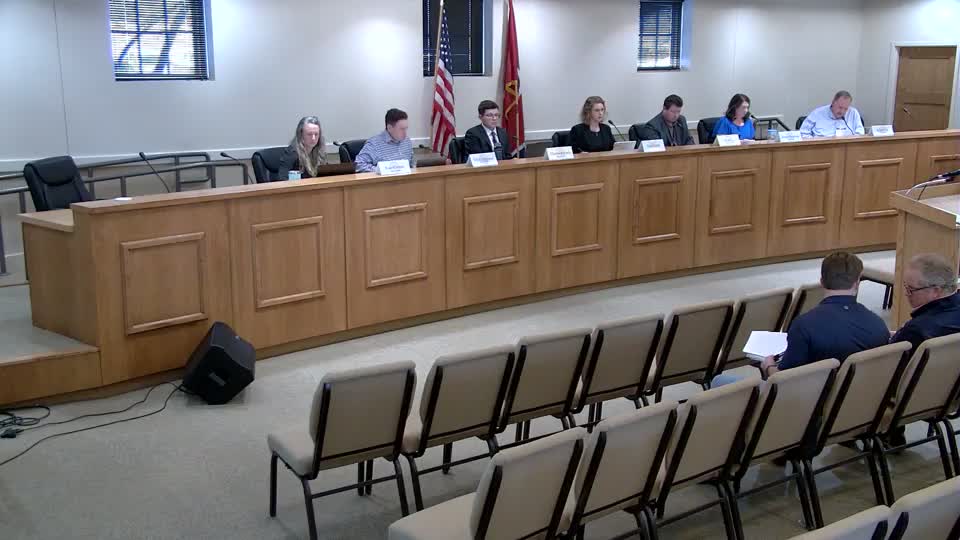
Commissioners at the Nolensville March 24 work session asked staff to study the requirements, costs and liabilities of installing a safe-haven baby box at Fire Station 1 or an alternate local facility.
Commissioner Gill and others asked for more information after a constituent and news coverage highlighted the use of baby boxes in other Tennessee cities. Staff said the state law allows parents to leave infants at designated safe-haven locations and noted Tennessee statute references during the discussion. Town staff reported they had begun preliminary research and cited a statute (spoken in the meeting as “TCA 60 eight-eleven-two 55”) and the Safe Haven website as initial resources.
Staff and commissioners discussed operational constraints: Nolensville Fire Station 1 is not staffed by two personnel continuously because firefighters leave the station on some calls, raising concerns about whether an unattended box would meet alarm and response expectations. Staff noted testing and monitoring obligations: the boxes they examined require daily or twice-daily checks and monthly testing, plus rapid alarm response windows. Commissioners asked the town to investigate alternative locations (for example, a 24/7 freestanding emergency room) and to collect best practices from Tennessee municipalities that have baby boxes.
Staff committed to preparing a feasibility analysis including costs, staffing implications, insurance and liability considerations, alarm/test requirements, and whether a town-managed box or partnership with another facility would be more appropriate. The board did not authorize installation or accept funds at the work session; it directed staff to return with findings and recommendations.