Get Full Government Meeting Transcripts, Videos, & Alerts Forever!
Get email alerts on the Veteran Service Grants topic
No spam. Unsubscribe anytime.
Counties and lawmakers press state after recalculation cuts veteran service grants
Summary
County veteran service officers and several state representatives pressed the Michigan Department of Military and Veterans Affairs after a department recalculation reduced expected county allocations from the county veteran service grant program, prompting a self-imposed 5 p.m. amendment deadline and urgent requests for relief.
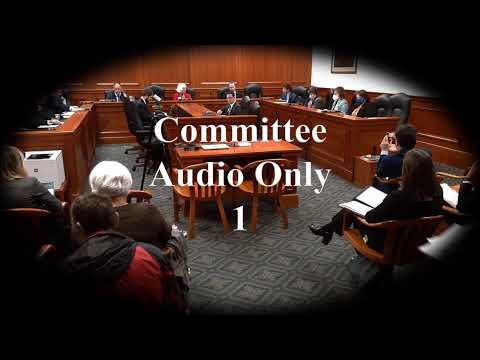
County veteran service officers and several state representatives pressed the Michigan Department of Military and Veterans Affairs (DMVA) and the Michigan Veterans Affairs Agency (MVAA) at a House subcommittee hearing after a department recalculation reduced the projected county veteran service grant fund and forced counties to amend or resubmit grant budgets under a self-imposed 5 p.m. amendment deadline.
The discrepancy arose after the DMVA recalculated available fund balances for fiscal 2025. Counties said they received allocation letters in May and were not told those allocation numbers were projections; a later recalculation communicated on Feb. 18 reduced the available pool to about $5.1 million, leaving a shortfall counties and advocates identified as roughly $3.66 million compared with earlier figures counties had been using in planning.
The difference had immediate consequences for local veteran services. Amy Pocan, director of the Ingham and Clinton County Department of Veteran Affairs, told the committee: “At that point in time, no information was provided to us that these were projections. The allocations had always been told that these are the actual numbers we would be receiving, and we went forward.” Pocan said counties have already signed contracts and hired or planned staff based on the original allocations and that cuts have threatened accredited county veteran service officer positions, emergency assistance funds and outreach programs.
DMVA and MVAA officials said the change reflected faster and wider use of grant dollars. Rochelle Bridal, chief financial officer for the Department of Military and Veterans Affairs, told lawmakers the program’s participation rose from roughly 35 counties to about 70 counties and that higher utilization in the final quarter reduced the previously projected fund balance. Bridal said the department “wants to do better” and is reviewing internal processes.
Brian Love, director of the Michigan Veterans Affairs Agency, said the agencies notified counties as soon as they recognized the shortfall and have begun meeting individually with county veteran service directors. “None of us are happy about this,” Love said. He told the committee MVAA held an information session for county grantees, followed by one-on-one meetings, and that staff are assisting counties with recalculations and amendments.
Lawmakers pushed the agencies for immediate relief and greater transparency. Representative Morgan said some counties in her district face cuts of 61%, 63% and 76%, totaling roughly $1 million across three counties. Representative Rogers urged the committee to consider legislative options to make counties whole for this year and asked DMVA to present a concrete plan to prevent recurrence.
Committee members also questioned the department’s timeline and the origin of the earlier, larger projection. Bridal said the May projection used prior underutilization trends; when counties increased participation and spending accelerated, the projection no longer held. Committee members pressed for documentation, and for a clear explanation of how the state had communicated allocations to counties.
On the administrative deadline, several legislators urged the department to extend the self-imposed 5 p.m. amendments deadline for fiscal year 2026 applications. MVAA officials said they would work with counties that missed the deadline on a case-by-case basis and indicated they were open to extending the window; the agency said there would be no automatic penalties for short, late submissions while it works with affected counties.
County and veterans-service advocates asked for more than an administrative fix. Tim Poxton of the American Legion’s Michigan legislative committee advised the committee that the grant program supports 70 accredited service officers and that cuts have already forced nonprofits to reduce services. Several representatives requested a plan for a stopgap and for consideration of making counties whole for the current year while the agencies reform their internal controls.
The DMVA said it has formed a finance work group that combines the department’s finance and county grants teams and will meet regularly until processes are corrected. The agencies told the committee they will continue direct outreach to counties and provide additional guidance for recalculations and amendments.