
Speaker urges United Nations-backed ban on autonomous lethal weapons
Get AI-powered insights, summaries, and transcripts
Subscribe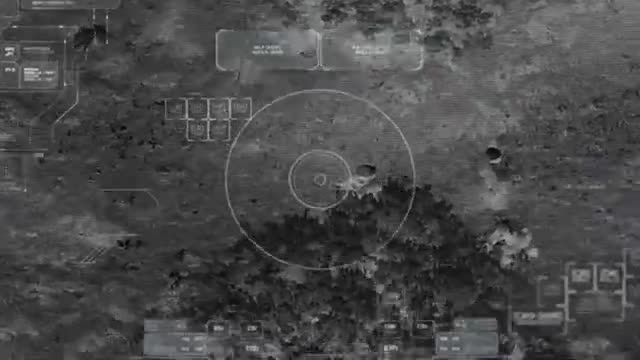
Summary
An unidentified speaker warned that fully autonomous weapon systems, including armed drones, threaten civilian safety and legal accountability and said the United Nations supports a ban and urgent international rules.
An unidentified speaker, a speaker at the meeting, warned that fully autonomous weapon systems — including armed unmanned aerial vehicles (UAVs) — pose grave legal, moral and practical risks and said the United Nations supports a ban.
The speaker said the growing use of remotely operated and potentially autonomous systems is changing the battlefield, citing conflicts in Ukraine and the Middle East and warning that machines can be given decision-making power to target and fire without further human intervention. "When autonomy means that once you actually switch it on, then the machines actually are fully delegated with the the decision making power to target and trigger the lethal force and then use the the lethal force. Then it gets really in the blurring, a very difficult, area of, who is accountable, who is responsible," the speaker said.
The speaker described a wide range of systems, from inexpensive hobby drones to sophisticated military UAVs, and said the incorporation of imperfect artificial intelligence into lethal systems risks mistakes that could kill civilians. "Machines making a decision to take human life is just simply morally, repugnant and, it should not be allowed. It should be in fact banned by international law. That's the the United Nations position," the speaker said.
The remarks noted that existing international humanitarian law is founded on human accountability and limits lethal targeting to "people who are directly participating in hostilities or who are members of a certain state armed force." The speaker questioned whether machines could reliably make rapid legal distinctions in unpredictable combat environments: "In a conflict area where things are rapidly changing, where it's completely unpredictable, I doubt that a machine would be able to make the decisions needed to spare civilians."
The speaker argued that explicit new international rules are needed soon rather than decades from now, calling for urgent discussions and negotiations to prevent fully autonomous weapons with no human oversight or accountability from becoming "the weapon of choice." The speaker said negotiations should aim to strengthen protections for civilians and to clarify how responsibility and accountability would be assigned if lethal force is exercised by autonomous systems.
No formal decision or vote was recorded during the remarks. The presentation comprised a policy argument and an appeal for international action rather than a proposal tied to a local ordinance or statute.