Get Full Government Meeting Transcripts, Videos, & Alerts Forever!
Get email alerts on the Personnel Policy topic
No spam. Unsubscribe anytime.
Ashe County personnel committee recommendation approved: probation cut to 1 year, sick‑leave and longevity updates
Summary
Commissioners approved personnel committee recommendations to reduce the county probationary period from two years to one, update sick‑leave transfer language to the North Carolina retirement system and revise longevity scheduling tied to a recent salary study.
Ashe County commissioners voted March 17 to adopt personnel‑policy changes recommended unanimously by the county personnel committee, shortening the county probationary period for employees from two years to one and updating several human‑resources provisions.
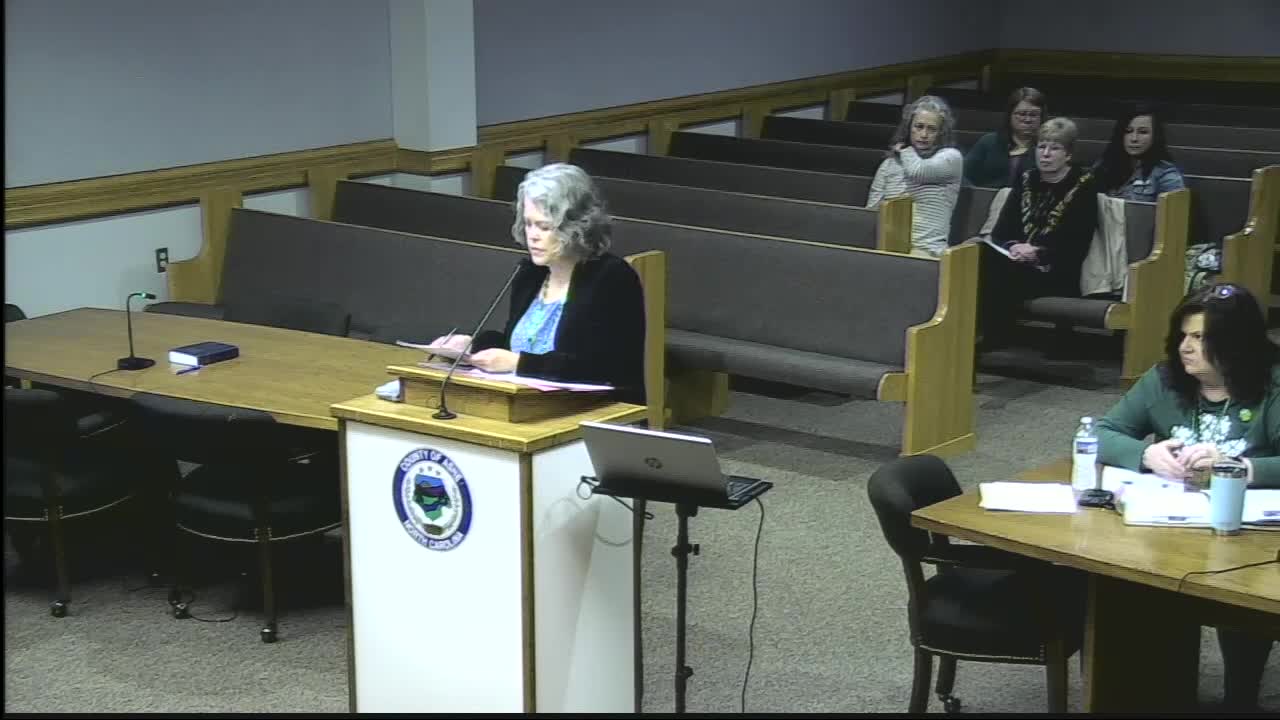
Trace, speaking as the personnel committee spokesperson, presented the package of technical changes and said the committee recommended reducing the probationary period to align with other state personnel rules and to make the county’s policies consistent across departments. “The probationary period in the resolute human services resolution that's currently in place is 2 years,” Trace said; the committee recommended changing that to one year for all county employees.
The revisions approved by the board included replacing language that limited sick‑leave transfers to local government retirement systems with wording that allows transfers to and from the North Carolina Retirement System, which the presenter said would smooth transfers between state and local employers. The county also updated the longevity schedule in the human resources resolution to match the salary study; the new longevity steps were described as occurring every two years.
Commissioners asked whether the policy provides for extending a probationary period for employees who take extended family‑medical leave. Staff said they would research that specific provision and, if necessary, add language; the transcript shows the question was not resolved at the meeting. The personnel committee had approved the recommendation unanimously and commissioners adopted it by voice vote.
The board was told that the changes are intended, in part, to aid employee retention and to align county policy with other jurisdictions and the results of a recent salary study.