Get Full Government Meeting Transcripts, Videos, & Alerts Forever!
Get email alerts on the After School And Remote Learning topic
No spam. Unsubscribe anytime.
Manhattan community boards pass resolutions to shore up after‑school programs, back federal connectivity fund
Summary
Community boards 1 and 2 unanimously approved resolutions urging city and state action to protect after‑school providers and backed a House proposal for $2 billion in school/library connectivity. Principals and DOE officials discussed gaps in devices, connectivity and services for remote learning.
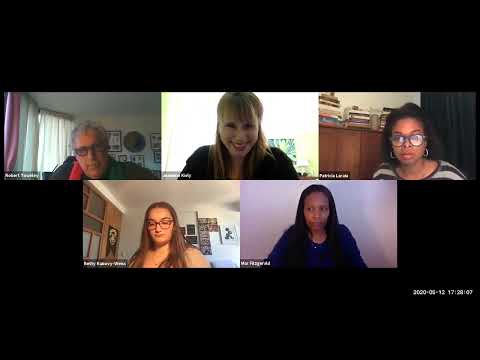
Community Board 1’s Youth and Education Committee, meeting jointly with Community Board 2 on Zoom, voted unanimously to approve a resolution urging city agencies to support city‑funded elementary and middle‑school after‑school programs and to press for emergency funding for connectivity and remote‑learning infrastructure.
The board also approved a separate measure supporting federal legislation — the Emergency Educational Connections Act of 2020 as described in the House briefing — and a related $2 billion connectivity fund championed by U.S. Rep. Grace Meng.
Why it matters: Speakers warned the pandemic could put longstanding after‑school providers at risk, and principals and Department of Education officials described continuing gaps in devices, internet access and counseling that they say will influence planning for summer programs and the fall.
Bob Townley, identified in the meeting as director of Manhattan Youth, framed the first resolution. Townley asked the Department of Education and the Department of Health to coordinate before issuing reopening guidance, and urged special city funding for nonprofit after‑school providers that rely on earned income. “We have no coordination between after‑school programs… we take care of 2,000 children at 3:00 in only elementary school programs,” Townley said, adding that many nonprofit providers are not eligible for Paycheck Protection Program loans because of how city contracts affect eligibility.
Townley said the community needs a planning effort so that programs — which typically charge modest parent fees (Townley cited roughly $7 per hour for some sites) — survive until schools reopen. He also criticized a DYCD (Department of Youth and Community Development) change that would not reimburse certain program months, saying that omission would prevent year‑round programs from paying staff for July and August and called it “a mistake.”
Katie Marrow of the DOE’s chief academic officer’s office said the department had delivered more than 285,000 iPads and had “about 15,000 left” to distribute to students who requested devices. Marrow and Judy Villanueva, director of policy and engagement in the chief academic officer’s office, described DOE efforts to track student engagement and to deploy crisis teams for families with acute needs.
Principals from Lower Manhattan schools described practical challenges and lessons learned from remote instruction: teachers and administrators have moved to a mix of prerecorded lessons and smaller live sessions rather than long whole‑class video lectures; families and teachers need training to navigate Google Classroom and video platforms; and some students with anxiety or special needs have benefited from remote formats while others have fallen farther behind.
Dennis (last name not given) and other community members urged support for a House bill described at the meeting as the Emergency Educational Connections Act of 2020, which would create a $2 billion emergency connectivity fund administered through the Federal Communications Commission for schools and libraries. The committee voted to endorse that federal proposal; the board’s chair described the bill as helpful but cautioned that $2 billion nationwide will be spread thin.
Votes at a glance: - Resolution urging DOE/DOH coordination, emergency funding for nonprofit after‑school providers and PPP eligibility changes — approved by roll call; recorded as unanimous by the committee after roll call. (Motion text: board supports coordinated city agency action and targeted funding to sustain city‑funded elementary and middle‑school after‑school programs and asks elected officials to seek PPP and other federal relief that will reach eligible nonprofit providers.) - Resolution supporting the Emergency Educational Connections Act of 2020 / $2 billion connectivity fund (Grace Meng) — approved by roll call; recorded as unanimous by the committee.
Discussion vs. formal action: The meeting distinguished discussion points (e.g., the scope of family hardship, program economics and concerns about DOE/DOH guidance) from formal action: the two resolutions were put to a roll‑call vote and recorded as approved. Several speakers asked for follow‑up work: community organizing to identify and coordinate after‑school providers, further outreach to elected officials on PPP and DYCD reimbursement, and a summarized list of technology needs that the boards will share with city and state representatives.
What officials said they could and would do next: DOE staff said they would follow up on device distribution and share details about crisis teams and counseling resources. Board officers said they would consolidate questions from the meeting and circulate proposed language for final edits before wider distribution to elected officials and other community boards.
The meeting closed after a principal panel on remote learning that included practical requests for: (1) clearer DOE policy on synchronous instruction and engagement tracking, (2) parent workshops on Google Classroom and device use, (3) prioritized, low‑cost tech (keyboards/chrome devices) for older students who must produce written work, and (4) additional planning time for teachers ahead of any fall reopening.
Community boards and principals said they would continue working together to refine and prioritize budgetary and program requests as city, state and federal budget processes unfold.