Get Full Government Meeting Transcripts, Videos, & Alerts Forever!
Get email alerts on the Higher Education Policy Dei topic
No spam. Unsubscribe anytime.
University of Idaho disbands DEI offices, reallocates staff to broader student services before State Board deadline
Summary
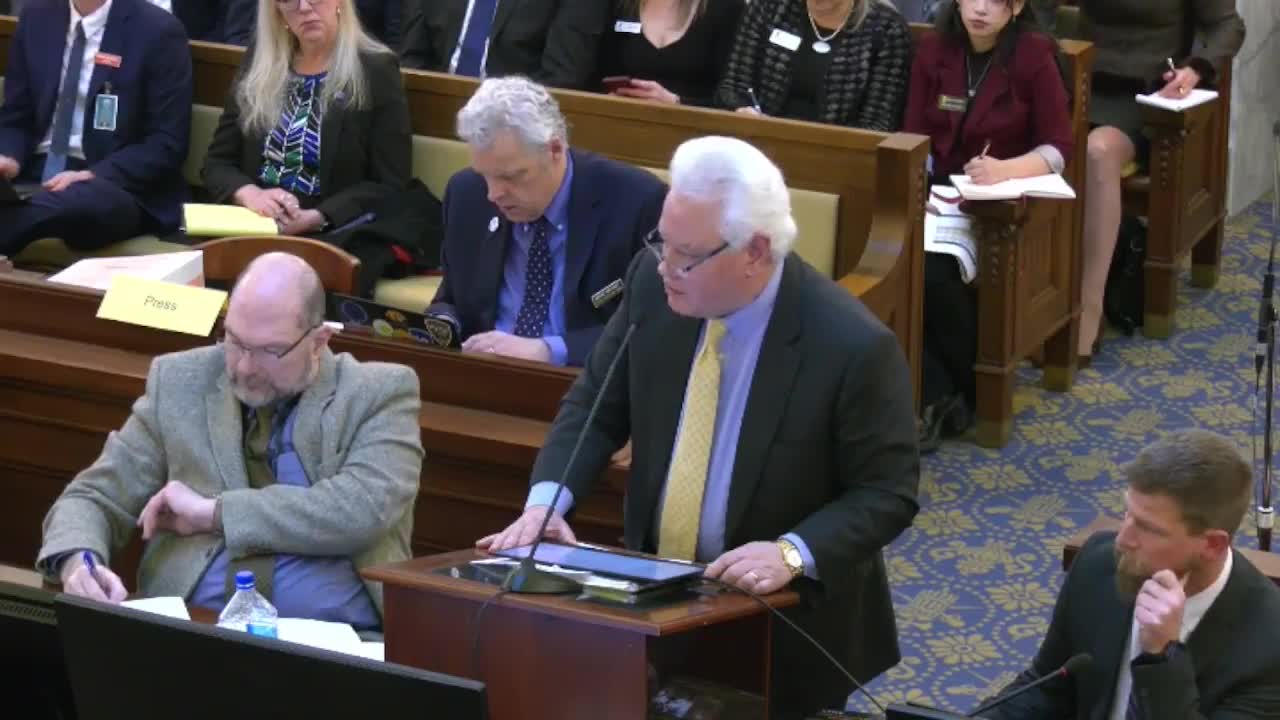
President C. Scott Green told JFAC the university closed several DEI‑labeled offices at the end of 2024, reassigned staff to other roles (including an Executive Director of Tribal Relations) and said student support will be provided through programs such as Vandal Success and a new first‑generation student unit.
The University of Idaho told the Joint Finance‑Appropriations Committee that it has closed several diversity, equity and inclusion offices and is reorganizing staff and services to operate under broader student support units.
President C. Scott Green said the university closed the Office of Equity and Diversity, the Office of Multicultural Affairs, the Black/African American Cultural Center, the LGBTQA office and the Women’s Center at the end of 2024, and that staff were reassigned or had job descriptions rewritten to report through the Dean of Students. He said the Chief Diversity Officer position was eliminated and that the individual in that role will serve as Executive Director of Tribal Relations.
“We shut down our offices at the end of 2024,” Green said. He told committee members the university was given through June 30 to implement changes following a State Board of Education resolution, and that the institution began planning earlier to provide a deliberate transition for staff and students.
Green said the university has retained programs to support students, naming the Vandal Success program and a newly opened first‑generation support unit intended to help students navigate financial aid, tutoring and retention supports. He said nearly 20% of students signed up for the first‑generation program for the spring term were not themselves first‑generation, indicating broader demand for those supports.
Committee members pressed whether staff kept their jobs; Green said many staff were reassigned to new roles under student services, but some positions (for example, an LGBTQ position) were vacant prior to the reorganization and have not been refilled. He said the university did not use general fund dollars to support the DEI offices and that personnel changes were executed with attention to retaining talent to continue serving students.
The university said it would provide additional detail if the committee requested more documentation of current job descriptions and redeployments.