Get Full Government Meeting Transcripts, Videos, & Alerts Forever!
Get email alerts on the University Budget Finance topic
No spam. Unsubscribe anytime.
University of Idaho reports improved finances but reserve shortfall tied to retiree benefit accounting
Summary
At a JFAC hearing, University of Idaho president C. Scott Green and a legislative analyst outlined the university’s budget, enrollment, and recent actions to stabilize finances, while explaining a reserve shortfall tied to accounting for retiree benefits.
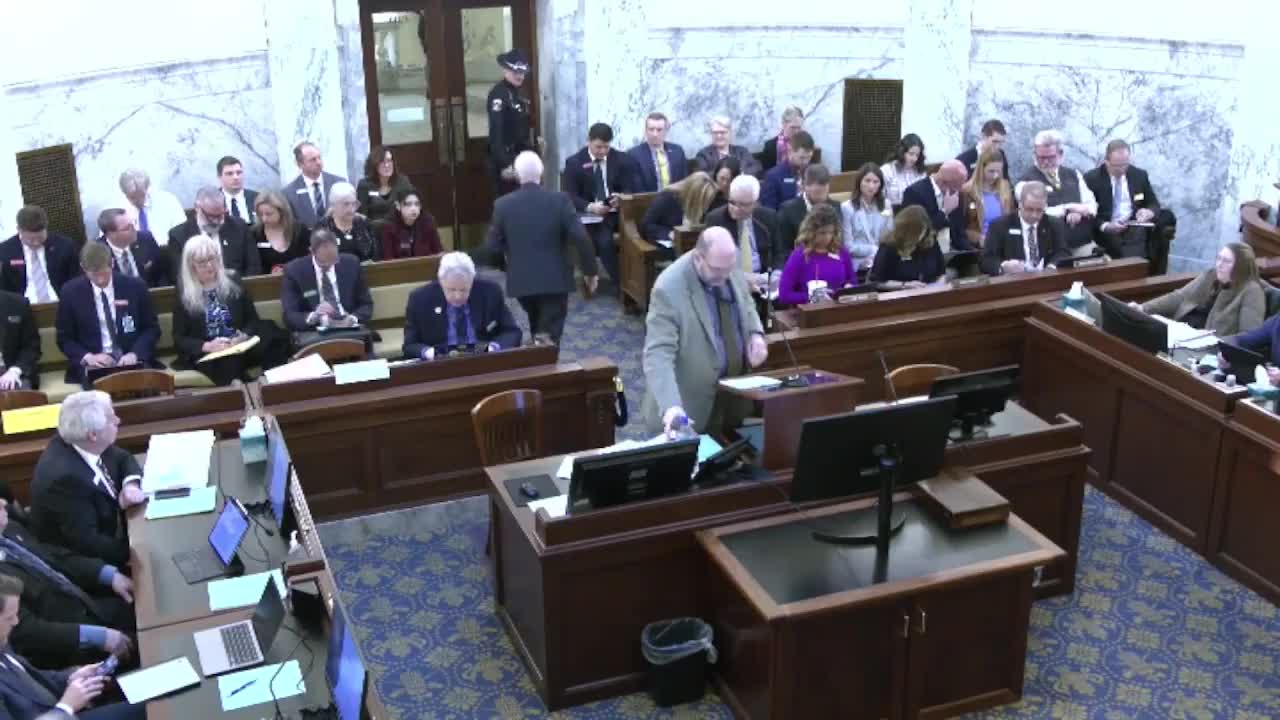
University of Idaho officials told the Joint Finance‑Appropriations Committee on Jan. 27 that the institution’s finances have improved after multi‑million‑dollar reductions but that a reported shortfall in unrestricted reserves largely reflects an accounting change related to retiree benefits.
Analyst Kevin Campbell presented the University of Idaho portion of the colleges and universities overview, reporting an enrollment of 12,286 students and a FY2025 base budget figure of $196,300,000. He told committee members that roughly 68.5% of the university’s budget is personnel costs and highlighted past base reductions and enhancements.
President C. Scott Green said the university took a $26 million base reduction in recent years to align expenses with revenues and has since stabilized through cost actions and enrollment growth. He described the university’s position as “greatly improved” since earlier financial stress, and said employee head count remains below 2019 levels despite rising enrollment.
Green explained why the university’s reported unrestricted reserve (net position) appears weak in some measures: the institution recorded a large accounting adjustment when it eliminated an employer‑paid retiree medical benefit (an OPEB obligation). That change required reducing unrestricted reserves to reflect the liability, even though the university now reports a positive total net position when restricted funds are included. Green said that the university’s total net position was positive and that cash reserves were sufficient to meet obligations.
Campbell and Green also described recent enhancement funding and one‑time items. The analyst said the University received operational capacity enhancement (OCE) dollars in FY2025 and endowment fund adjustments; Green noted ongoing obligations related to prior retiree benefit accounting and the effect on the 5% reserve metric used by the State Board of Education.
Members asked for clarifying detail about financial ratios and federal research pass‑throughs. President Green said the university conducts significant federally funded research and often serves as lead institution, making subawards to other institutions; he said the university would provide requested lists of subrecipients and related compliance documentation to the committee.
The university and committee agreed to follow up on detailed financial and federal award questions at a later hearing; JFAC postponed the remainder of the system‑wide colleges and universities review to provide time for additional committee requests.