Get Full Government Meeting Transcripts, Videos, & Alerts Forever!
Get email alerts on the Education Finance Scholarships topic
No spam. Unsubscribe anytime.
State Board reports steady scholarship outlays; seeks staff for database and program maintenance
Summary
Legislative staff reviewed the Scholarships and Grants budget housed in the Office of the State Board of Education. Officials said almost all spending is trustee/benefit payments, and requested staff to address a backlog of database and user‑interface maintenance work.
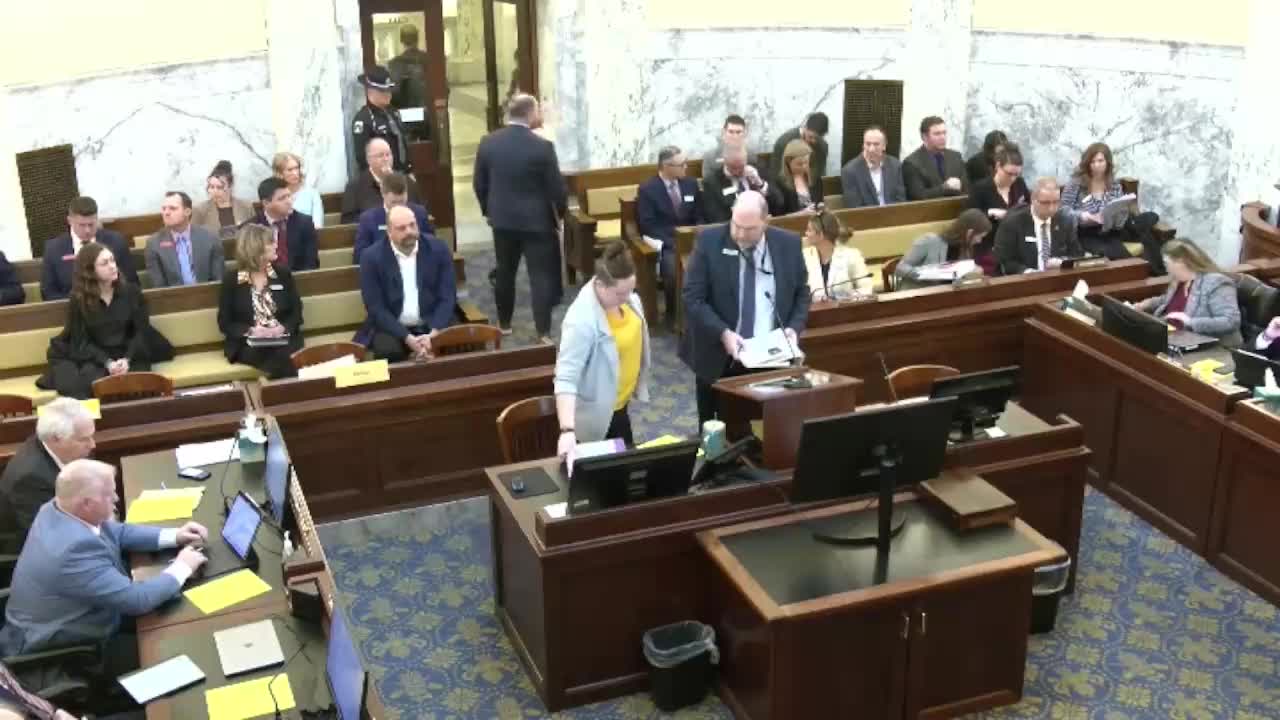
Kevin Campbell, budget and policy analyst with the Legislative Services Office, presented the Scholarships and Grants budget, which is administered by the Office of the State Board of Education and oversees multiple award programs, including the Opportunity Scholarship and the Rural and Underserved Educator Incentive program.
Scholarships and Grants is authorized for 1.35 FTP and the program reported no vacancies. The program’s spending is heavily weighted to trustee and benefit payments (about 99.5%), with about 0.5% in personnel costs, because the program distributes awards to students and institutions. Major recent appropriations include $7,000,000 for Opportunity Scholarships in FY2021 and funding for the Rural and Underserved Educator Incentive program that began in FY2023 and continued in FY2024 and FY2025.
The office requested $1,375,000 for the Rural and Underserved Educator Incentive program for FY2026 and sought $124,000 for a software engineer position. Officials said scholarship‑program databases and public user interfaces require maintenance, upgrades and security work and that current staffing cannot complete a backlog of requests. Josh Whitworth, executive director of the State Board of Education, said the board will review performance measures and return data to the committee about program outcomes and retention. He said program‑level results—like whether incentive payments improve recruitment and retention in rural districts—will be analyzed and reported back to the committee.
Senators and representatives asked for more granular reporting, including district‑level distribution of rural incentive funds and measures of recruitment and retention. The board said it would provide additional information to the committee.