Get Full Government Meeting Transcripts, Videos, & Alerts Forever!
Get email alerts on the Psychiatric Hospitalization topic
No spam. Unsubscribe anytime.
All three state hospitals accredited; lawmakers warned of rising civil‑commitment and restoration‑to‑competency costs
Summary
Analysts and department officials told the committee all three state hospitals have accreditation and have begun Medicaid billing, but the state faces growing civil‑commitment expenditures after statutory changes in 2022 and a surge in restoration‑to‑competency cases.
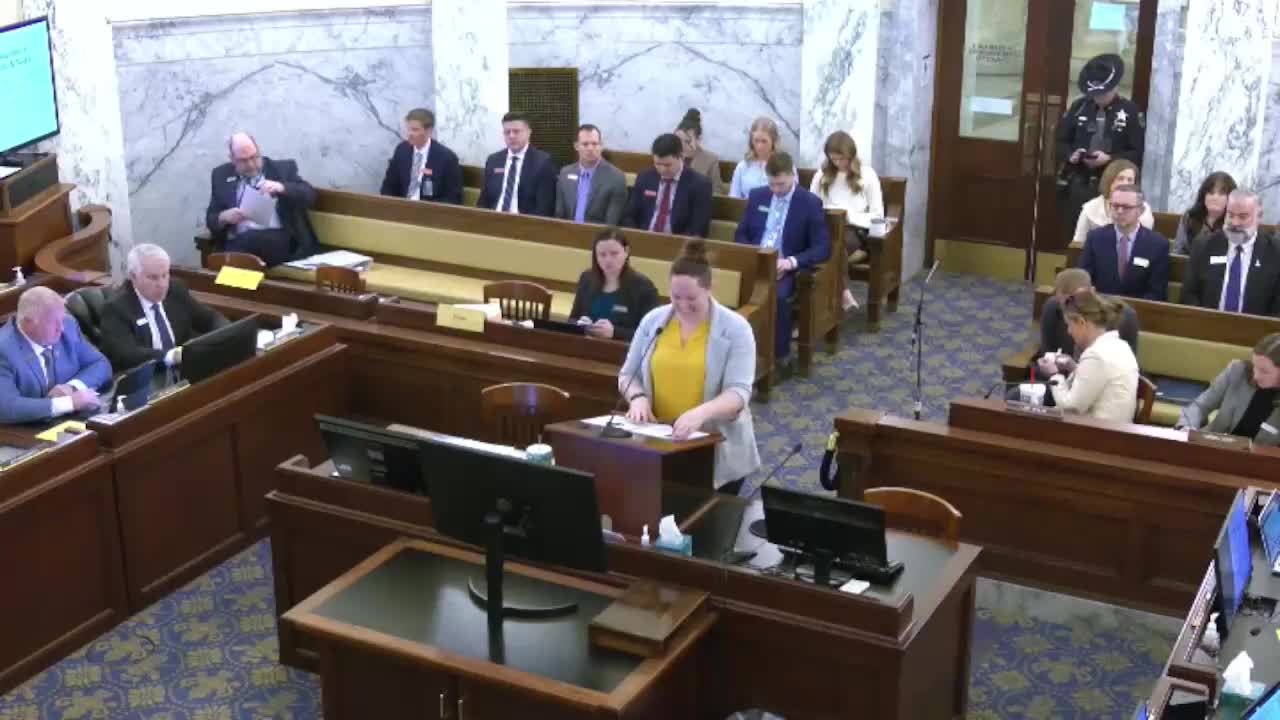
Alex Williamson presented the Division of Psychiatric Hospitalization budget to the Joint Finance‑Appropriations Committee and was joined by Alex Adams, director of the Department of Health and Welfare, and Ross Edmonds, administrator for the Division of Behavioral Health, to answer questions on accreditation, billing and rising commitment expenditures.
All three facilities—State Hospital South (Blackfoot), State Hospital North (Orofino) and State Hospital West (Nampa)—have received accreditation, officials said. State Hospital West had billed about $1.6 million and received approximately $1.3 million in receipts tied to Medicaid billing after accreditation. The division is authorized for 467 full‑time positions across the hospitals and reported that personnel and operating costs drive most appropriations for the facilities.
Committee members discussed increases in civil‑commitment expenditures after Senate Bill 1327 (2022) shifted responsibility for certain mental‑hold and commitment costs from counties to the state. The department requested a one‑time supplemental of $2,600,000 from the General Fund to cover higher fiscal‑year 2025 civil‑commitment costs. Director Adams explained that the department has little control over holds because law enforcement and health‑care providers follow statute when placing holds; once a hold creates a legal entitlement, the department must pay the associated hospitalization and transportation costs regardless of volume.
Ross Edmonds told lawmakers restoration‑to‑competency commitments have driven much of the increase in hospital demand. "Over the last 10 years, we've seen about a 600% increase in the restoration‑to‑competency increases," Edmonds said. He said nearly all such patients are restored—"I would say it's probably 5 percent or less that are not restorable." Edmonds also said a substantial portion of beds at State Hospital North are occupied by restoration‑to‑competency patients.
The federal Medicaid billing rule that limits reimbursement for stays exceeding 60 days was also discussed. Adams noted that when clinical needs require stays longer than 60 days the medical decision to keep a patient for treatment overrides billing concerns; when more admissions exceed 60 days the state loses federal reimbursement for those days and general‑fund costs rise. Committee members asked for additional detail on whether accreditation and staffing improvements are translating into sustained Medicaid receipts and cost offsets; the department provided mid‑year billing figures and said it would provide additional updates.
Officials also reported waitlist numbers and staffing: State Hospital North had a waitlist of about eight persons, State Hospital South about 18; reported vacancy rates were 0% at West, 2.8% at South and 11.5% at North. No formal committee action on the supplemental was recorded during this session.