Get Full Government Meeting Transcripts, Videos, & Alerts Forever!
Get email alerts on the Education Assessment And Grading topic
No spam. Unsubscribe anytime.
Middletown presents scholar perception survey results and outlines grading-for-equity changes
Summary
Superintendent and instructional staff presented the district's 7 C scholar perception survey results (noting 98% of educators received scholar feedback last year), outlined scheduling/report-card dates, and summarized grading-for-equity changes including aligned weighted categories and a grade floor.
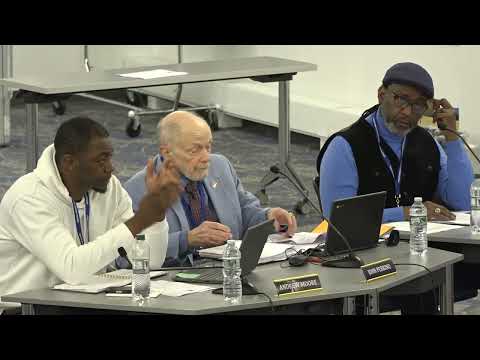
Superintendent Amy Creedon and district instructional leaders presented Jan. 16 on the 7 C scholar perception survey and related grading-for-equity changes, telling the board that the initial implementation produced a broad student response and helped shape instructional and support decisions.
Creedon said last year's survey showed strong results in the district's "personal support" measures and that 98% of educators received scholar feedback during the first year of implementation. The presentation linked the survey to district strategic goals and described plans to administer the survey again in February (scheduled for Feb. 3'1) during class time so students can provide candid feedback.
Instructional staff described how grading-for-equity reforms were rolled out. Changes at the middle-school level now align weighted grade categories across classes, move participation and preparedness from grade-book weight into coached behaviors, and set a grade floor (reported in discussion as 50%) so an early zero does not "tank" a student's semester average. Presenters said the marking period will generate 80% of a course grade while midterms and finals account for the remaining 20%.
District staff provided report-card timelines: second marking period ends Jan. 31; families should expect report cards to be available in the parent portal about Feb. 10; family-teacher conferences and interim dates were listed for March and April. Staff emphasized multiple outreach channels (in-person family nights, virtual presentations, child care and interpretation at events) to engage families and asked board members to encourage community participation.
During the discussion, board members praised the high survey return rate and the cross-team work to implement consistent grading practices. Presenters said the survey and grading changes were intended to surface student voice and to make grades more transparent and actionable for families and scholars.
The presentation included examples of in-school programs connected to the survey findings (an "emotion into art" program and related evening community presentation planned for March) and said campus-level data would be used to align school goals with district priorities.