
Health advocates push for public disclosure of insurer parity reports; insurers urge caution
Get AI-powered insights, summaries, and transcripts
Sign Up Free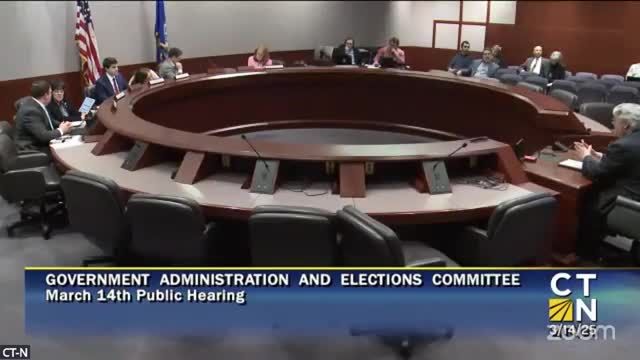
Summary
Advocates including NAMI Connecticut, Mental Health Connecticut and providers urged the Government Administration and Elections Committee to pass HB 7 2 0 7, arguing that making insurer parity reports public would expose noncompliance and let researchers and regulators hold insurers accountable.
Advocates from NAMI Connecticut, Cover My Mental Health, Connecticut Legal Rights Project, Mental Health Connecticut and several others urged the Government Administration and Elections Committee to pass House Bill 7 207, which would make insurer reports on mental-health parity public records. Witnesses said transparency is necessary to detect and correct parity violations and to give researchers, advocates and lawmakers evidence to enforce laws.
Thomas Burr, public policy manager for NAMI Connecticut, said HB 7 2 0 7 would improve accountability and help address “warning signs of parity noncompliance” identified in a 2024 Office of Health Strategy report. Burr testified that noncompliance forces people into worse health outcomes and shifts costs to public programs, arguing the reports should be publicly accessible so lawmakers and advocates can analyze them.
Joe Feldman of Cover My Mental Health described difficulties patients face when insurers deny treatments on the basis of “medical necessity” and said clearer public reporting would allow comparison between insurer standards and generally accepted clinical practice.
Kathy Flaherty of Connecticut Legal Rights Project and Lucy Gilchrist (Yale School of Public Health) likewise cited studies showing access gaps and underlined that public reporting would allow advocates and researchers to identify patterns and recommend fixes.
Mental Health Connecticut’s Christian Damiana called insurer opposition to disclosure “an effort to avoid transparency” and said a lack of public data undermines enforcement of parity laws. Damiana noted the issue has broad support: “One third of state legislators, the comptroller and the attorney general have backed nearly identical language in companion legislation,” and said FOI and parity advocates support the bill.
The Connecticut Association of Health Plans testified in opposition, saying its members are committed to parity but warning that the reports include commercially sensitive information and that public disclosure could have “unintended consequences,” including reduced competition for state contracts. The association said it is willing to work with the committee and the insurance department to refine language.
Committee members pressed witnesses on whether any data should remain confidential, how to balance proprietary concerns with accountability, and whether insurer reports as currently filed contain enough detail to permit verification of compliance. Several witnesses referenced specific reports (Milliman, OHS 2024) showing commercial insurers exhibit warning signs of noncompliance. No formal committee vote on HB 7 2 0 7 was recorded in the hearing transcript.