Get Full Government Meeting Transcripts, Videos, & Alerts Forever!
Get email alerts on the Born Alive Infant Protections topic
No spam. Unsubscribe anytime.
Minnesota House debates born‑alive bill, votes fail to advance measure
Summary
After several hours of emotional testimony, the Minnesota House rejected House File 24, a bill that would specifically restore legal protections and required medical care for infants born alive following an abortion attempt; the vote was recorded in the chamber as 67 ayes and 66 nays and the clerk announced the bill did not pass.
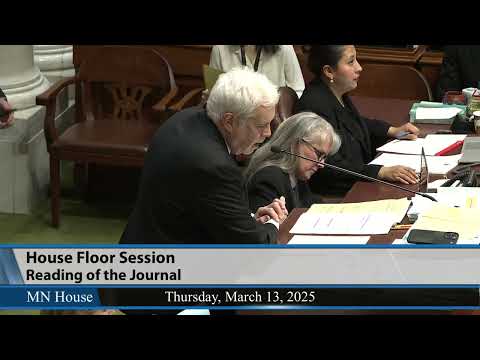
House File 24, an act relating to health and making changes to born‑alive infant provisions, failed on the Minnesota House floor after an extended, emotionally charged debate on Wednesday, March 12, 2025. The clerk recorded 67 ayes and 66 nays and announced the bill was not passed.
Supporters of the bill — including the bill’s author, Representative Matt Knudson — urged colleagues to restore protections they said were removed in 2023 and to require life‑preserving medical care for infants who survive an abortion. Representative Knudson said, “If this law saves 1 life, then that's good enough,” and described the bill as seeking “to protect the most vulnerable among us.”
Opponents said current Minnesota law already requires medical personnel to care for any infant who is born alive and warned that the bill’s drafting could narrow legal protections. Representative Tina Liebling said the existing statute already declares “an infant who is born alive shall be fully recognized as a human being and accorded immediate protection under the law,” and argued the introduced language would limit that protection to only infants born alive during an abortion. Liebling said she reviewed Department of Health reports and found the earlier reporting definition was broad and did not show evidence that infants had routinely been left without care under the prior law.
Lawmakers on both sides described personal and medical experiences during the debate. Representative Paul Scott and Representative Todd Engen recounted neonatal rescues and emergency care that they said illustrated why the statute should require life‑preserving action. Representative Scott asked Engen about his son’s emergency preterm birth and the medical response that saved the child, and Engen described the EMTs and first responders who provided life‑saving care.
Representative Katiza Wachoon (Hennepin) and other opponents said the bill misrepresents the practice of neonatal and postpartum care and could force futile or invasive interventions in cases of infants diagnosed with conditions incompatible with life. “The language in this bill is a misrepresentation of medical care and will complicate neonatal and postpartum care and bonding time,” Wachoon said.
Speakers cited differing summaries of Department of Health reporting for prior years. Representative Liebling said she reviewed reports from 2016–2022 and found that, under the prior reporting rule, there were 19 reported cases over seven years and that none clearly documented an infant born alive as the result of an abortion being “saved” under the old reporting definition. Representative Knudson and other supporters cited a recurring estimate during debate that “3 to 5 babies” per year in Minnesota survive abortion attempts and said the bill would ensure such infants receive life‑preserving care.
After the roll call, the clerk announced, “There being 67 ayes and 66 nays, the bill is not passed.” The House then moved on to other calendar items.
Why it matters: The measure drew bipartisan personal testimony and highlighted a policy fault line over whether statutory language should be narrowed or clarified and whether existing law already ensures life‑preserving care. Lawmakers described the bill as addressing a narrow medical circumstance; opponents warned the drafting could unintentionally remove existing protections for infants born alive in other contexts.
What’s next: The bill failed on the House floor and no further House action on the measure was recorded during this session day.