Get Full Government Meeting Transcripts, Videos, & Alerts Forever!
Get email alerts on the Energy Infrastructure topic
No spam. Unsubscribe anytime.
Residents urge Forsyth County to press regulators on Transco pipeline safety and impacts
Summary
Residents and environmental and neighborhood advocates told Forsyth County commissioners March 13 they have safety, environmental and property-rights concerns about the proposed Transco Southeast Supply Enhancement Project and urged the board to press regulators for more analysis.
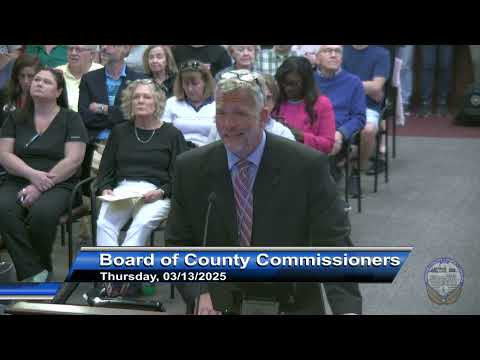
A string of residents and advocacy groups used the Forsyth County Board of Commissioners’ March 13 public-comment period to raise safety, environmental and property-rights concerns about the proposed Transco Southeast Supply Enhancement Project (SSEP) pipeline slated to cross parts of the county.
Why it matters: Speakers said the project would transport large volumes of methane gas through a 42-inch pipeline located adjacent to existing pipelines, compressing risk in specific corridors and creating potential public-safety, environmental and land-use impacts for nearby neighborhoods.
What residents told the board: Jessica Rowe, a resident who said she was able to speak because this meeting was held at 6 p.m., said the county “decided not to put forth a resolution” but urged commissioners to reconsider and request more information. Rowe said the SSEP would move about 1.6 billion cubic feet of methane per day through a 42-inch pipe and that more than 90% of that gas would serve large customers outside the county.
John Calhoun cited concerns about who ultimately pays for the infrastructure (ratepayers), permanent easement impacts on property owners and methane’s contribution to greenhouse-gas emissions. Rosalyn Sloan and two children from Speas Global Elementary School described air-quality and emergency-evacuation concerns for people with asthma near the pipeline corridor. Deborah Dinsky, chair of the local Foothills Sierra Club group, said she could not find local benefits from the pipeline and urged the commission to take a position.
Additional points raised by speakers included: - Safety history and incident rates for pipeline operator Williams/Transco, including concerns that some incidents are "direct" and preventable, according to one speaker. - Potential impacts if co-located pipelines were affected simultaneously (speakers said federal safety studies typically model single-pipeline failures, not multiple adjacent pipelines). - Questions about emergency-response costs, cleanup responsibilities and whether county residents could be asked to cover costs via utility bills.
Board response: Commissioners listened but did not adopt a formal resolution at this meeting. Multiple speakers asked the board to reconsider a previously decided stance and to send a message to regulators including the Federal Energy Regulatory Commission and the pipeline operator. The transcript records requests from residents for a county resolution of concern or a request for additional study; no formal county action on the pipeline was recorded on March 13.
Next steps: Speakers urged the county to ask for more safety and environmental analysis and to consider a resolution that would signal to state and federal regulators that additional review is needed before construction proceeds.