Get Full Government Meeting Transcripts, Videos, & Alerts Forever!
Get email alerts on the Sudan Humanitarian Crisis topic
No spam. Unsubscribe anytime.
Médecins Sans Frontières warns Security Council of ‘humanitarian catastrophe’ in Sudan
Summary
A Médecins Sans Frontières representative told the United Nations Security Council that the war in Sudan has produced extreme hunger, mass displacement and attacks on civilians, and urged immediate, unimpeded humanitarian access as aid agencies scale back operations amid funding cuts and security constraints.
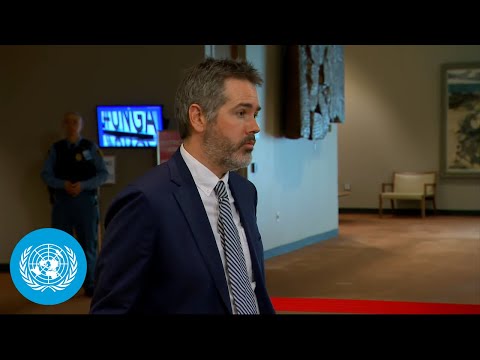
A Médecins Sans Frontières representative told the United Nations Security Council on Feb. 1 that the war in Sudan has created a “humanitarian catastrophe” marked by extreme hunger, mass displacement and repeated attacks on civilians.
The representative said, “The war in Sudan cannot continue to be waged with a shameless disregard for civilian lives. Humanitarian aid must not be obstructed by the warring parties,” and warned that siege tactics and obstruction of assistance are producing “unconscionable harm.”
Why it matters: The briefing, delivered in New York during a Security Council session, warned that nearly two years of fighting have left people across Sudan in urgent need of food and medical care and that the coming rainy season will further hamper relief efforts. The representative said Médecins Sans Frontières operates in 11 of Sudan’s states and that teams are reporting alarming levels of malnutrition while infectious and vaccine-preventable diseases are rising.
Details from the briefing: The representative described specific incidents in the conflict zone, saying they had witnessed the aftermath of the Feb. 1 shelling of the Shabine Market in Omdurman and that the emergency department of Alnaud Hospital struggled to treat “wave after wave of catastrophically injured men, women, and children.” They also said Sudanese armed forces had bombed a peanut factory and civilian neighborhoods in South Darfur, overwhelming the Nyala teaching hospital with casualties.
On funding and operations, the representative said aid cuts from the United States have worsened an already strained response. In answer to a question from the moderator, they said organizations were already stopping services: “What we have seen ourselves is organizations having to stop services. Water trucking in Nyala is one example. There’s a primary health care services in Nyala.” The representative added that, while in Khartoum, authorities told them that five organizations had warned they would have to stop activities in the Khartoum area in the two days before the meeting.
Reaction from journalists and the council: Edith Lederer of the Associated Press asked what, if any, reaction the representative heard from Security Council members after their criticism of passing resolutions without ensuring implementation. The representative said they heard “a variety of reactions” and urged that statements of resolve be translated into practical steps to allow an “uninhibited and free flow of humanitarian assistance in all areas of Sudan.”
Margaret Fishear of Voice of America asked why the world is not paying more attention, noting an estimate of 30,000,000 people going hungry. The representative said the response requires a “dramatic, and urgent scale up of humanitarian assistance” and cited both bureaucratic impediments and security restrictions that hinder aid delivery. They urged the United Nations secretary-general to give UN agencies a full mandate to establish a presence in Darfur and to negotiate access with Sudanese authorities.
The representative stressed the need for humanitarian workers on the ground, saying aid is “much more than trucks and shipments of goods. It’s also about having workers, in our case, medical workers, doctors, and nurses on the ground to be able to, treat people directly and support the local Sudanese health workers.”
No formal action or vote was recorded during the briefing. The session was a press briefing/Q&A during a Security Council meeting; the representative’s remarks and the journalists’ questions were discussion and reporting rather than formal Council decisions.
What to watch: The representative called for immediate, unimpeded humanitarian access, a scale-up of supplies and personnel before the rainy season makes roads impassable, and concrete follow-through from Security Council members on statements of resolve.