Get Full Government Meeting Transcripts, Videos, & Alerts Forever!
Get email alerts on the Municipal Budget topic
No spam. Unsubscribe anytime.
Redding staff outline plan to close $5 million shortfall; council backs some cuts but resists added police reductions
Summary
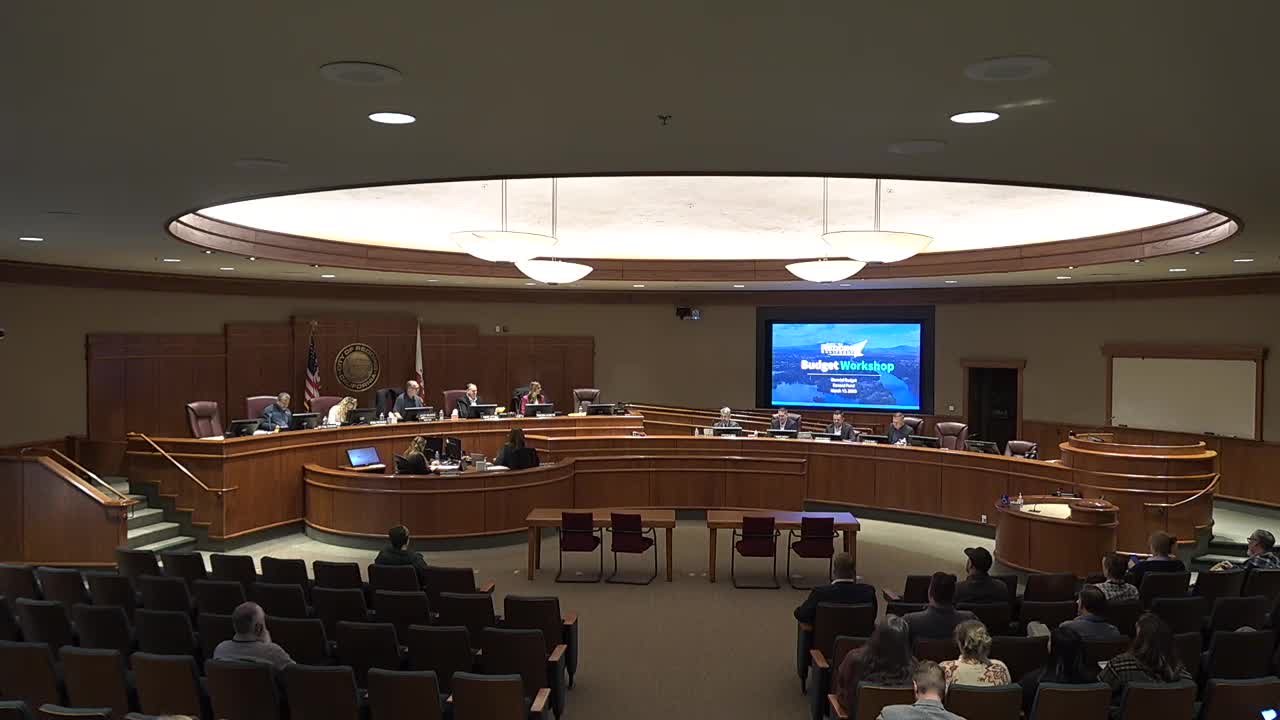
City Manager Barry Tippin told the Redding City Council at a budget workshop that staff is developing a plan to close an estimated $5 million gap in the general fund, proposing a mix of one‑time timing fixes, fee changes and ongoing reductions.
City Manager Barry Tippin told the Redding City Council at a budget workshop that staff is developing a plan to close an estimated $5 million gap in the general fund, proposing a mix of one‑time timing fixes, fee changes and ongoing reductions.
Tippin said staff’s current plan combines revenue adjustments and cuts, including a proposed $250,000 per‑year reduction to the city’s rolling stock transfers (the pool used to replace vehicles and equipment); a two‑year principal deferral on a radio purchase that improves near‑term cash flow; modest cannabis tax adjustments already assumed to add about $450,000 annually; and a recommended $350,000 annual reduction to the city’s tourism contract coupled with a possible five‑year extension so the tourism partner can “weather this storm.” Tippin summarized the structural problem this way: “we were gonna be spending more than we were taking in.”
The presentation also outlined personnel changes proposed as part of ongoing savings. Tippin described attrition already agreed in earlier budget steps and recommended treating additional police vacancies as permanent attrition, a proposal that staff estimated would save about $480,000 a year if three more sworn officer positions are removed. Tippin said the department had already reduced staffing earlier in the budget cycle: “we started this budget year … at 122” sworn officers and the combination of prior attrition and the new proposal would lower authorized sworn staffing to about 110 (grant‑funded positions discussed separately would be temporary additions).
Council members and department leaders pressed staff on tradeoffs and timing. Todd Jones, president of the Chamber’s tourism arm, told the council the marketing contract has produced measurable growth in transient‑occupancy tax collections: “we’ve taken a million dollars per year, we’ve added about $3,000,000 per year into TOT into our community,” he said, warning that cutting marketing dollars would reduce the campaign’s reach and could reduce TOT revenue in future years. Ed Ruhlman, president of the Redding Tourism Marketing Group (Choose Redding), and staff answered questions about the role of the regional TBID revenue stream and the separate contract funded from the general fund.
Several council members said they were willing to accept reductions to rolling stock and the tourism contract but were not willing to approve additional police staffing reductions beyond attrition already taken earlier in the year. “I don’t wanna lose 3 more police officers,” one councilmember said during the discussion, reflecting a recurring theme that public safety is a top concern among residents. Tippin cautioned that avoiding the proposed ongoing savings would force staff to identify other ongoing reductions or risk layoffs in departments where general‑fund subsidies are already thin.
On fees and permits, staff asked direction to pursue changes in development‑services and recreation fees that would shift more of overhead and administrative costs onto fee payers. Tippin suggested limited, phased adjustments (staff estimated roughly $100,000 a year from modest changes to building and planning fees and about $100,000 from other city fee changes), and warned that full cost recovery would be administratively complex and could produce unwanted consequences; the council asked staff to bring back specific proposals and policy language for review before any fee increases take effect.
Staff also described several revenue or timing items that improve the near‑term picture but are not permanent fixes: a $470,000 per‑year principal deferral on a radio loan (principal deferred for two years while interest accrues), and about $170,000 a year the city expects from Cal Fire rental payments related to a prior property exchange. Tippin said those together and the other items discussed so far account for roughly $1.1 million of the $5 million target, with the remainder to come from the fee work, cost allocations, grants charged to general‑fund staff time and other line‑by‑line adjustments before the next formal budget hearing.
Next steps and council direction Staff said it will return a proposed balanced general‑fund budget for council consideration on April 17 (staff asked for council consensus on the list of approaches so it can finalize the draft). The council gave explicit direction to staff to: continue developing the fee changes and appear with firm proposals before implementing them; include a $250,000 reduction in rolling stock transfers in the draft ten‑year plan; and include a proposed $350,000 reduction to the general‑fund tourism contract while exploring a multi‑year extension to provide the contractor certainty. Council members objected to adding the three proposed permanent police position eliminations and asked staff to find alternatives before taking further sworn‑staff reductions.
Why it matters The council’s decisions will shape staffing levels for public safety, the scope of recreation and development services, and the city’s marketing footprint tied to hotel sales tax. Many of the proposals are ongoing budget reductions that, if adopted, will affect service levels in future years; others are short‑term cash measures that defer costs but do not eliminate them. Tippin and staff said the package under development aims to balance the needs of public safety, recreation and economic development while meeting the legal requirement to present an affordable expenditure plan.
What to watch next Staff will return specific fee proposals and the draft balanced budget at the April meeting. The tourism contract reduction, the rolling‑stock reduction and any personnel changes will be reflected in that draft; council members indicated they expect further dialogue and may seek other tradeoffs if the council declines to approve proposed police reductions.