
Encampment Resolution Fund shows mixed early results; Napa says ERF motel program moved dozens into housing
Get AI-powered insights, summaries, and transcripts
Sign Up Free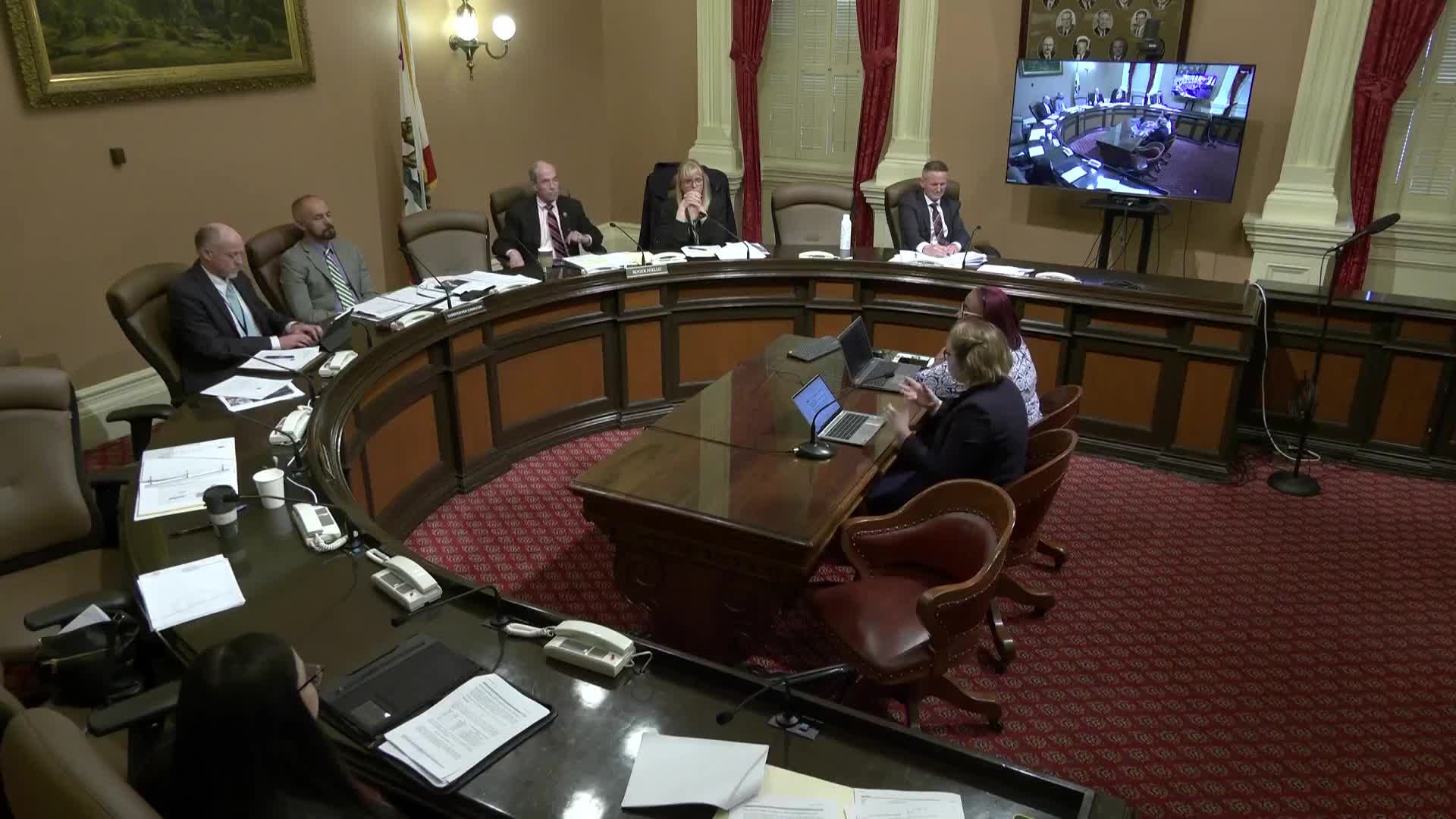
Summary
State data and local testimony show varied outcomes from the Encampment Resolution Fund; Napa officials said ERF-funded noncongregate shelter moved 40 people into permanent housing and helped reduce unsheltered counts locally, while state auditors and analysts call for more standardized outcomes reporting.
The Encampment Resolution Fund (ERF) — a competitive state program that awards local projects intended to clear high‑risk encampments by linking residents to shelter, interim placements and permanent housing — has produced mixed early results, state officials and local grantees told a Senate subcommittee on May 20.
Local example: Napa County and the city of Napa were awarded ERF funds to lease a motel turned noncongregate shelter (the North Napa Center). Napa’s deputy city manager told the subcommittee the center opened in August 2023 with 54 units and has transitioned 40 participants into permanent housing so far; the city reported an 18% decline in its point-in-time count and a 42% drop in unsheltered homelessness in its CoC between 2023 and 2024.
Statewide reporting gaps: The Legislative Analyst’s Office and the state auditor have both flagged incomplete or inconsistent reporting from ERF grantees. An LAO review released March 5 noted that required outcome and lessons-learned reporting was slow to arrive and recommended the Legislature withhold new funding until the state can verify program benefits and cost-effectiveness. HCD and Cal ICH told the committee that improved reporting tools and a public-facing dashboard are now in place and that annual progress reports (due April 1) will be posted within 30 days of receipt.
Program mechanics and legislative fix: ERF is structured as a competitive grant and awardees must meet expenditure and obligation deadlines tied to the appropriation date. Several grantees told the committee those deadlines compress the usable term because pre-award NOFA and award processes consume time after the appropriation. HCD told the subcommittee it will propose trailer bill language to start the obligation/expenditure clock from the date of award rather than the date of appropriation to give grantees the full performance period.
Why it matters: ERF projects have funded interim noncongregate shelter, outreach, case management and housing placements for thousands of people. But analysts warned that inconsistent reporting and many “unknown” exit destinations in the data make it difficult for the Legislature to evaluate performance and compare ERF to other homelessness tools. Napa officials and other grantees urged the Legislature to consider extensions or prioritization for successful projects rather than requiring new grantees to reapply when additional funding becomes available.
Ending note: HCD said it will continue posting quarterly reports and work with grantees on corrective actions; subcommittee members signaled interest in amendments that would extend or clarify ERF performance timelines so successful projects can continue.