Get Full Government Meeting Transcripts, Videos, & Alerts Forever!
Get email alerts on the Homelessness Data Demographics topic
No spam. Unsubscribe anytime.
UCSF briefing: California homelessness is aging and increasingly tied to behavioral health
Summary
A UCSF researcher told a Senate subcommittee that more Californians are living unsheltered and that homelessness is increasingly affecting older adults; behavioral health needs are common and often develop after people become homeless.
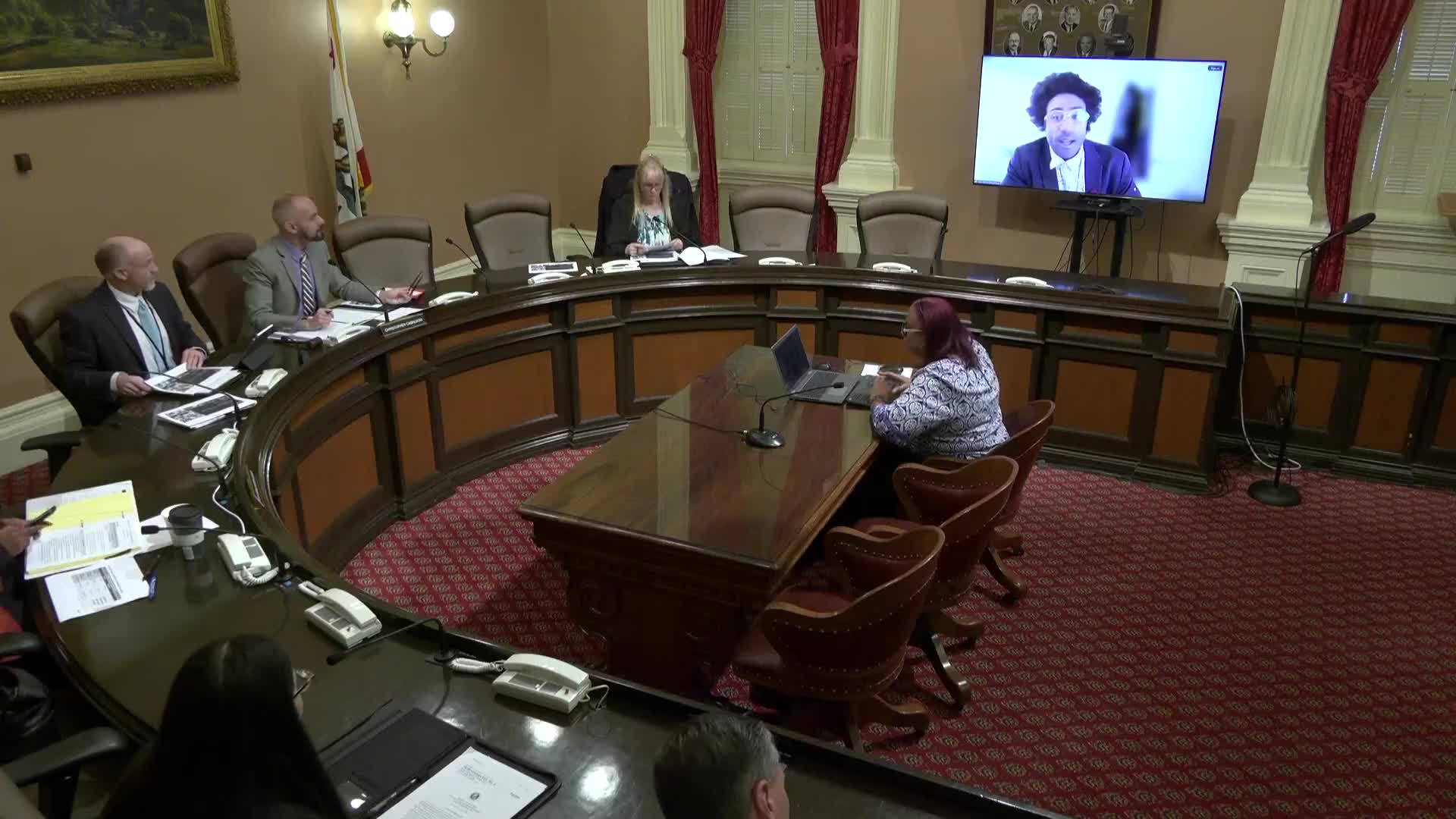
Mark Jones, policy director at the University of California San Francisco Benioff Homelessness and Housing Initiative, told a California State Senate subcommittee on May 20 that about 170,000 people experience homelessness in the state daily and that 78% of them are unsheltered.
Jones said the median age of unsheltered adults in California is 47 and that 39% of people 50 and over first experienced homelessness after age 50. He told the panel that the California Statewide Study of People Experiencing Homelessness (CASPA) shows older adults are an expanding share of the unhoused population. “We do know what works,” Jones said, arguing that investments should prioritize reducing unsheltered homelessness and ensuring strong shelter-to-housing flow.
Why it matters: An aging unhoused population changes the services and housing types jurisdictions must provide. Jones told senators that about half of people experiencing homelessness have significant behavioral health needs and that many people develop substance use or mental health issues after becoming homeless, underscoring the case for rapid exits from street homelessness.
Key findings Jones highlighted included: statewide estimates of roughly 170,000 people experiencing homelessness; about 133,000 unsheltered; median unsheltered adult age of 47; and sizable shares of people developing behavioral health problems after losing housing. He also said targeted, sustained funding has reduced homelessness for veterans and youth, and that programs that combine shelter, outreach and pathways to permanent housing are most effective.
Jones warned against criminalization and displacement-only responses, saying fines, arrests and repeated removals often interrupt service connections and lengthen homelessness. He urged jurisdictions to pair shelter with case management and housing placements and said prevention — particularly for people leaving jails, hospitals or foster care — can reduce future demand for behavioral health and housing services.
Ending note: Jones and other experts told the subcommittee that California has evidence-based approaches that work at scale — permanent supportive housing, “housing first” with services, targeted prevention and encampment resolution strategies that prioritize shelter and housing — but that success depends on stable funding and improved, real-time data to guide investments.