Get Full Government Meeting Transcripts, Videos, & Alerts Forever!
Get email alerts on the Second Look Sentencing topic
No spam. Unsubscribe anytime.
Panel pauses vote on bill to expand "second look" sentence reviews to age 25
Summary
The House Judiciary Committee discussed amendments to House Bill 853, which would extend a 2021 "second look" law to people who were under 25 at the time of their offense; the committee did not vote and the bill was held for further amendment filing and review.
The House Judiciary Committee on March 13 discussed House Bill 853, an amendment to criminal procedure statutes that would extend a 2021 "second look" sentencing law so people who were under 25 at the time of their offense can petition to modify lengthy sentences.
Committee members and staff described how the amendment would extend the existing 2021 framework (authored in the transcript as the 2021 bill by Delegate Jazz Lewis) to cover individuals up to age 25, require a petitioner to have served at least 20 years before being eligible to petition, and disqualify people sentenced to life without parole and people required to register on the offender registry from seeking a modification under the bill as amended.
Supporters said courts would remain guided by a list of factors when deciding whether to reduce a sentence: age at the time of the offense; the nature and circumstances of the offense; institutional compliance and rehabilitation; victim statements; any physical, mental or behavioral health reports; family and community circumstances at the time of the offense; history of trauma or child-welfare involvement; and the petitioner’s role in the offense. The amendment would allow a person to petition up to three times in total and would require a three-year waiting period after a denial or partial grant before filing again. The amendment also clarifies that victim impact statements may be considered and that, if a victim exists, the court must order the defendant to stay away from the victim and the victim’s family unless the victim requests otherwise.
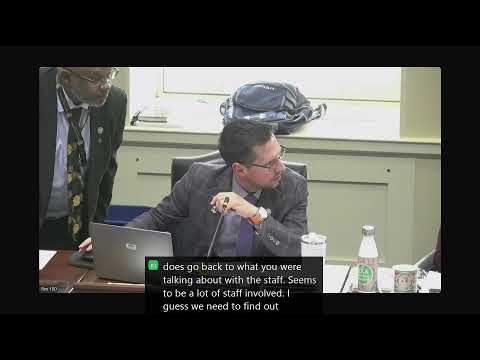
Committee members asked clarifying questions about scope and eligibility, including whether people sentenced as adults for offenses committed decades later in life would qualify (they would not if the crime occurred when the person was over 25) and whether the committee could consider further additions, such as hate-crime-related language. The sponsor and staff said the amendment is new to the committee and that members should submit additional changes through the amendment office. The chair said the committee would not vote on House Bill 853 at this session and would allow time for members to file amendments and for additional review.
The committee therefore took no formal vote on House Bill 853 during the March 13 voting session; members were directed to submit any proposed amendments to the amendment office before the next session.