Get Full Government Meeting Transcripts, Videos, & Alerts Forever!
Get email alerts on the Civic Process Legal topic
No spam. Unsubscribe anytime.
City attorney’s office briefs commission on Open Meetings Act, ethics and subdivision authority
Summary
A legal training for the City Plan Commission reviewed the legal limits on the commission’s authority, Texas Open Meetings Act requirements, ethics and recusal rules, and the distinction between advisory and decision-making boards in El Paso.
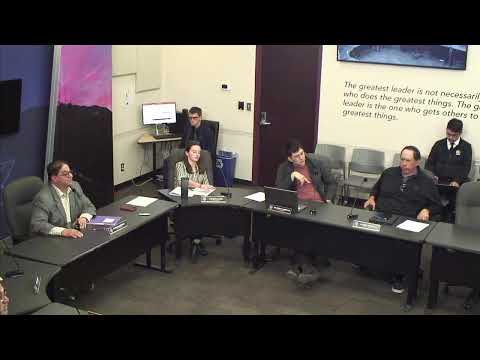
City Attorney’s Office staff provided annual legal training to the City Plan Commission on March 13 covering the commission’s legal responsibilities, applicable state statutes, and conduct expectations.
The presenter, introduced in the meeting as Mr. Ablin, told commissioners the City Plan Commission is a decision-making board with heightened responsibilities compared with advisory boards. He reviewed the commission’s role in making recommendations on zoning and acting as the final authority on subdivision items, noting state law constrains subdivision review to ministerial examination unless a code or statutory requirement is unmet. The presenter referenced El Paso City Code Chapters that govern boards and bylaws and cited Texas statutes for zoning and subdivisions, saying commissioners should consult Title 19 for subdivisions and Title 20 for zoning-related matters.
The training covered the Texas Open Meetings Act (TOMA) requirements: agendas posted at least 72 hours in advance with sufficient description, minutes or recordings kept for each open meeting, and public-comment opportunities for agenda items. The presenter emphasized that executive sessions are rare for this board and generally limited to consultation with counsel and that any vote must occur in open session. He also reviewed the city ethics code (Title 2.92), duties to the public, recusal for conflicts of interest, and the personal liability risk of acting outside granted authority (referred to as ultra vires acts).
Commissioners asked follow-up questions about venue changes when public turnout is large, appearance before the board when a commissioner represents a private client, and whether the commission or staff can be held liable for long-term cumulative impacts of exceptions. The presenter said decisions are made case by case and described the protections and limits that apply to elected officials and board actions under state law. On conflicts, the presenter said board members should generally not appear before the board on matters in which they have a personal business interest and that recusal rules and city code sections apply.
The training concluded with reminders about records, quorum, and the board’s duty to follow counsel and staff guidance when appropriate. Commissioners raised procedural questions about alternatives to applicant requests (approve, approve with modifications, deny) and were told the commission may recommend modifications and conditions to applicants and that such recommendations are forwarded to City Council for zoning items.