Get Full Government Meeting Transcripts, Videos, & Alerts Forever!
Get email alerts on the Health Benefits topic
No spam. Unsubscribe anytime.
Cumberland County to move health plan renewal to consent agenda after 11.3% projected cost increase
Summary
County staff recommended holding current pharmacy contract and presenting a renewal with 11.3% higher costs; commissioners voted to place the recommendation on the March consent agenda for final approval.
Cumberland County officials moved a recommendation on the county's employee health benefits renewal to the consent agenda after hearing projections that the plan's gross annual cost would increase about 11.3%, or roughly $3.2 million.
County Manager Greer turned the presentation over to Robin Coombs, the county's finance director and chief financial officer, who introduced Kevin Quinn and Ed Morgan of broker USI. USI told commissioners the county's plan ran favorably in January and that the renewal calculations reflect better-than-expected recent claims experience. The presenters said the annual projected cost is about $31.9 million, up $3.2 million from the current year, a change equal to about 11.3%.
The recommendation that commissioners review on the consent agenda would keep the county's existing plan design, increase employee contributions by the projected 11.3% and raise the wellness incentive at the annual health fair from $30 to $50. The package, as explained by staff, would reduce the county's net additional cost because employees would cover part of the increase; staff estimated employee contributions would offset roughly $415,000 of the county's new cost, leaving the county's net increase at about $2.8 million.
Quinn and Morgan outlined other renewal details: pharmacy and medical renewals are timed differently (medical renewing July 1, 2025; pharmacy renewal dates vary), Delta Dental and vision renewals came in flat, and Lincoln Financial life insurance rates showed no change. Stop-loss pricing remained outstanding and staff said they were awaiting final quotes; some insurers declined or placed "lasers" (higher per-claim attachment points) on large claimants, which shifts more risk to the self-funded plan for those members.
Staff also reported a forthcoming decision on the county clinic vendor. The county's current clinic program budget was described as about $750,000 annually; maintaining the incumbent clinic's recommended staffing model would raise that budget to roughly $1.1 million (an increase of about $300,000), with some vendor proposals ranging up to about $1.25 million.
On pharmacy, USI presented three options: (1) keep the current pharmacy administration with Blue Cross Blue Shield and revisit pharmacy next year (staff recommendation); (2) accept an early three-year pharmacy contract proposed by Blue Cross that USI estimated could improve terms by roughly $1.9 million for the coming year; or (3) switch to a smaller pharmacy benefit manager (identified in the presentation as SmithRx), which showed larger gross savings but carries a higher risk of member disruption because formularies and tiers can change. Commissioners were warned that switching PBMs can alter drug tiers, prior authorizations and member copays for a subset of prescriptions.
Commissioners asked for details about member copays, the size and treatment of large claims, rebate auditing, and the timing for decisions. County Manager Greer and staff said coterminous negotiation of medical and pharmacy next year could increase leverage with carriers. Staff requested commissioners' recommendation to present the renewal package with no plan-design changes on the Monday consent agenda; a motion and second were made and the board voted to move the staff recommendation to the consent agenda, with the motion described in the meeting as "staying with the existing pharmacy and policy" and to present final numbers Monday night. The motion passed by voice/raised-hand vote; no roll-call tally was recorded in the transcript.
The county's next steps: finalize stop-loss pricing, complete finalist interviews for the clinic vendor, and place the full renewal package on the consent agenda for the March business meeting for final approval and implementation.
Discussion points that were recorded but did not constitute a formal board action included: consideration of early pharmacy renewal versus waiting for combined medical/pharmacy negotiations next year; the potential budget impact of a higher-staffing clinic model; and staff assurances that rebates (which are paid arrears and audited by a third party named TruVerus in the presentation) are not included in the projected $3.2 million gross increase and could offset costs once reconciled.
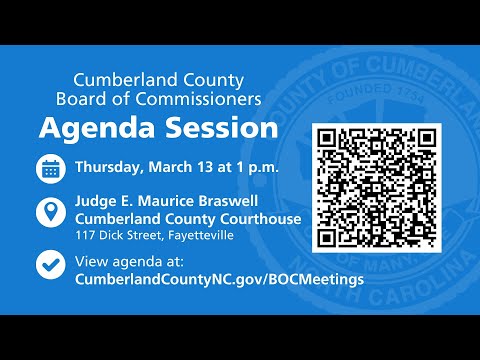
Quotes in this article come from county staff and USI presenters during the March agenda session and are attributed to meeting speakers by name and role where provided in the transcript.
Commissioners heard the health plan presentation, asked clarifying questions about member effects and vendor options, and approved placing the staff recommendation on the consent agenda for final consideration.