Get Full Government Meeting Transcripts, Videos, & Alerts Forever!
Get email alerts on the Hangar Lease Modifications topic
No spam. Unsubscribe anytime.
Commission reviews extensive draft hangar lease changes, including insurance, maintenance rules and abandoned aircraft procedures
Summary
Commission members discussed a detailed revision to hangar leases and related rules and regulations covering insurance proof, hangar‑share permits, maintenance limitations tied to FAA rules, prohibited hazardous activities, commercial use restrictions and procedures for addressing abandoned aircraft.
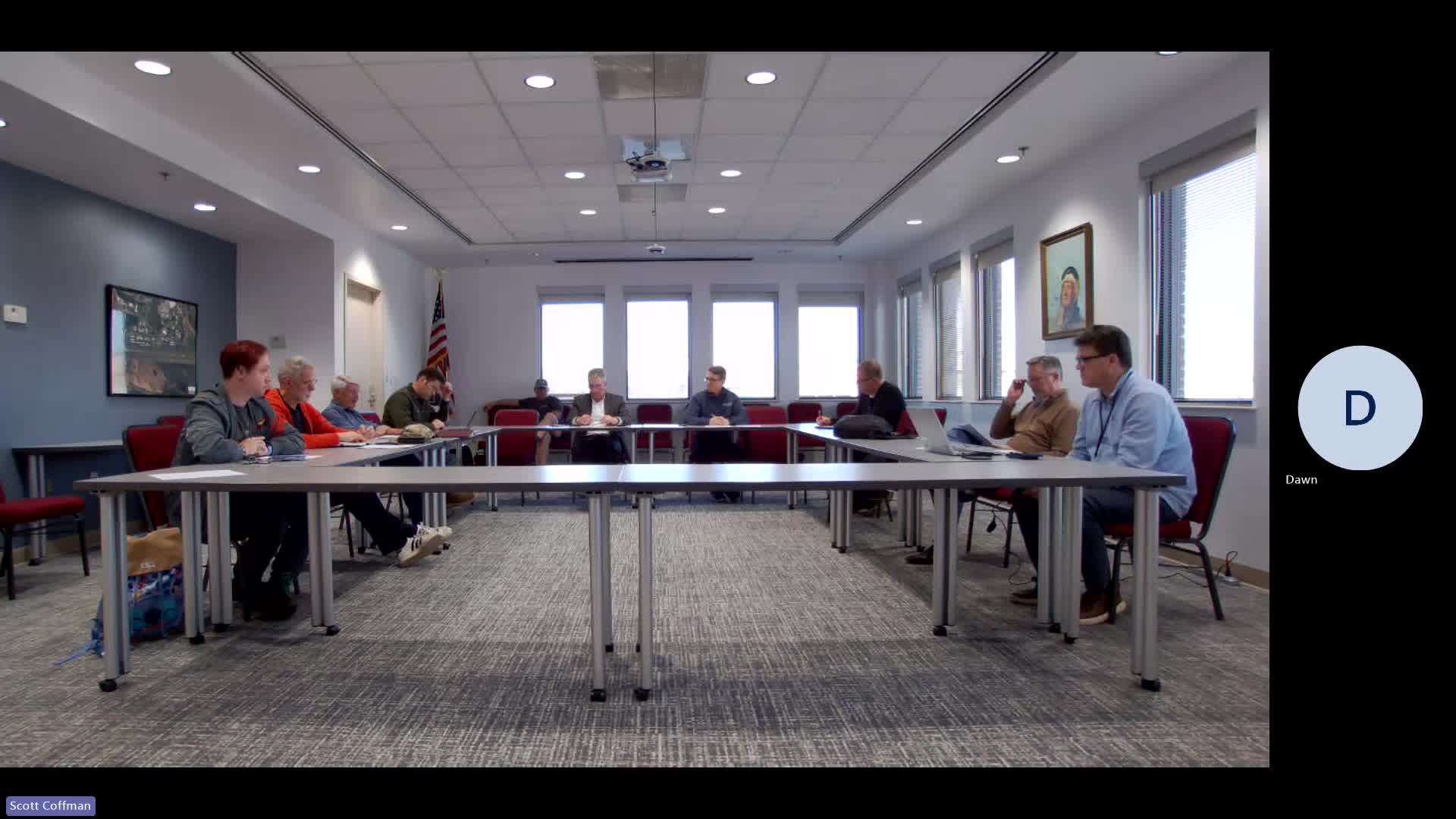
The Leesburg Airport Commission spent substantial time reviewing a revised hangar lease intended to update long‑outdated language and to align terms with FAA and fire‑safety standards.
The draft lease includes a requirement that tenants provide proof of insurance and clarifies the town’s intent to require an initial insurance certificate; commissioners discussed whether the town must receive yearly renewals or rely on tenant notification of changes. Staff suggested the lease could require notification of changes rather than an annual certificate to reduce administrative burden.
The revision formalizes a hangar‑share permit process: storage of more than a single aircraft in a leased hangar would be permitted only with prior written approval and a hangar‑share permit. The draft also says shared occupants must follow all rules and maintain their own insurance.
On maintenance, the draft references FAA rules and limits maintenance in hangars to owner maintenance or work performed by appropriately licensed mechanics, with additional allowances for amateur/homebuilt aircraft under FAA regulations. Commissioners discussed how to balance allowing legitimate owner maintenance while preventing unpermitted commercial maintenance or hazardous operations in hangars.
The draft also updates prohibited activities, explicitly banning fuel transfer, welding, torch cutting, spray painting and similar hazardous operations without proper facilities, and cites National Fire Protection Association (NFPA) standards for flammable storage and hangar safety.
Commissioners raised operational questions about defining “small personal property” versus larger shop equipment, allowing limited furnishings (for example a couch if approved by the fire marshal), and how to handle aircraft that appear abandoned. Staff said the town has auctioned aircraft previously and proposed lease language that would permit removal of abandoned aircraft with tenant liability for storage, tie‑down and towing charges. A $30‑per‑day storage charge imposed by council was referenced as available to apply when leases lapse.
Members agreed additional iterations are necessary. Staff said they will incorporate feedback, consult the fire marshal and legal counsel, and circulate another draft before the next meeting. The commission discussed whether to keep some lease language redundant with rules and regulations (to ensure tenants read key provisions) and whether to require separate signatures acknowledging rules receipt.
No formal adoption occurred; staff was directed to rework the draft and return it for further review.