Get Full Government Meeting Transcripts, Videos, & Alerts Forever!
Get email alerts on the Supportive Housing topic
No spam. Unsubscribe anytime.
Committee hears bill to fund family supportive housing pilot to reduce family homelessness
Summary
Senate File 1732 would create a Family Supportive Housing Grant Program to fund units and on-site services for families exiting homelessness; proponents described trauma reduction and long-term savings, and the bill was laid over for further consideration.
Senate File 1732, presented March 13 to the Minnesota Senate Health and Human Services Committee, would create a Family Supportive Housing Grant Program to fill a funding gap for supportive services tailored to families exiting homelessness.
Senator Bolden, the bill sponsor, described family supportive housing as non-time-limited housing that pairs rent subsidy with on-site, family-centered services such as case management, child-focused programming, employment support and 24/7 staffing. “This bill would fund service providers in family supportive housing to care for children and caregivers holistically,” Bolden said.
Ben Helvik Anderson, vice president of policy and organizing at Beacon Interfaith Housing Collaborative, said Beacon is creating more than 200 family supportive units across five new buildings and estimates these units will house more than 500 children and caregivers. He told the committee that most of Minnesota’s roughly 5,000 supportive housing units are not configured for families and lack sufficient service dollars to serve whole families.
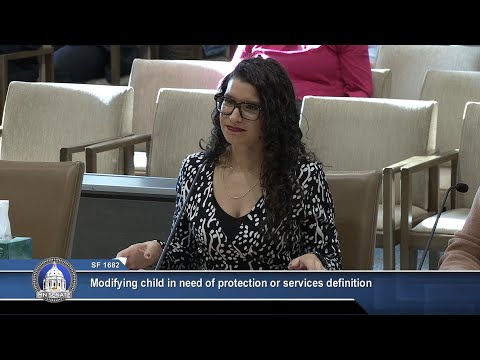
Testimony from Alexandra Zozo, a resident of a family supportive housing building called Vista 44, illustrated personal effects: after moving into Vista 44 she said her daughter’s mental health improved and the family was reunited. “For the first time in a long time, I felt relief,” Zozo said. Testimony emphasized that stable, family-oriented supportive housing stabilizes children and caregivers and reduces long-term public costs.
Senators from across the chamber praised the measure and asked for return-on-investment data to help justify state budget decisions. Advocate and committee members noted the broader need for both housing and service funding across Minnesota.
Committee action: Senate File 1732 as amended was laid over for possible inclusion.