Get Full Government Meeting Transcripts, Videos, & Alerts Forever!
Get email alerts on the Public Records Security topic
No spam. Unsubscribe anytime.
Committee delays Department of Public Health rule on access to restricted information after members raise public‑access concerns
Summary
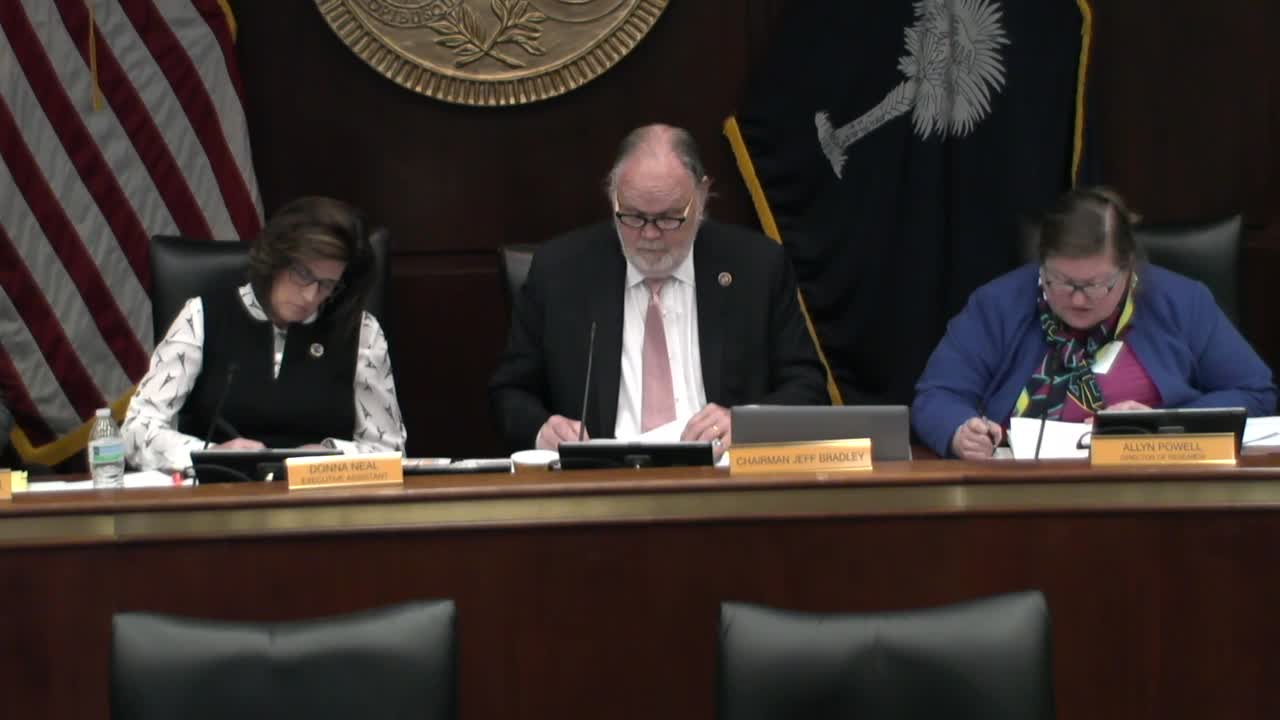
The House Regulations, Administrative Procedures, Artificial Intelligence and Cybersecurity Committee on Thursday carried over a proposed Department of Public Health regulation that would set procedures for release of “restricted information” — records the statute treats as having a heightened terrorism risk.
The House Regulations, Administrative Procedures, Artificial Intelligence and Cybersecurity Committee on Thursday carried over a proposed Department of Public Health regulation that would set procedures for release of “restricted information” — records the statute treats as having a heightened terrorism risk.
The committee’s subcommittee recommended approval, but several members raised concerns at the full meeting about whether residents living near industrial sites could access relevant public‑safety information. Bentley White, a Department of Public Health representative, told the committee the proposal stems from passage of Act 60 of 2023 and is meant to mirror an existing rule formerly held by the Department of Environmental Services. "This proposed regulation is a result of the passage of Act 60 in 2023 that established 2, new state agencies," White said.
Why it matters: the rule implements statutory limits on public disclosure for certain records while establishing a process for vetted requesters to obtain material. Committee members said the regulation, as drafted, could unintentionally restrict access for nearby residents who want to know whether hazardous materials are stored near schools, wells or homes.
At the hearing, staff read the section of the proposed regulation that outlines how residents could seek restricted information. Alan (staff) read: "Persons living or working within a vulnerable zone will be provided restricted information as follows. The requester must provide written verification of the location and address of his or her home or place of business along with photographic identification. The department will determine whether the location lies within the vulnerable zone of any facility for which the department records are requested.... The requester may review the restricted information at department's headquarters or other location designated by the department, but will not be provided with copies or be allowed to make written notes, copies, scans, photographs, or otherwise reproduce the information."
Members pressed for clarity about who may request restricted data and how the department determines a "vulnerable zone." Representative Taylor noted that the public typically expects broad FOIA access and asked whether the rule would limit constituents’ ability to obtain information about facilities in their districts. White said the statute defines eligible requesters and that some state and federal officials would remain authorized; she also said the department would confirm whether a requester’s address lies inside a vulnerable zone before permitting review on‑site.
Outcome and next steps: After discussion, members voted by voice to carry the regulation to a later meeting so staff can work with interested lawmakers and stakeholders. The committee encouraged DPH staff to meet with members, including lawmakers from districts with active local concerns, to clarify redactions, review procedures for vulnerable‑zone determination, and confirm how discovery or pending litigation (FOIA requests in the courts) would interact with the new rule.
What was not decided: The committee did not adopt the regulation or vote to withdraw and resubmit it; instead members asked agency staff to revise language and return for further review. The transcript shows lawmakers repeatedly asking for more detail about the list of covered materials and whether the Attorney General’s list referenced in statute would limit public access.