
Tennessee Tech reports rising applications, stronger retention and graduate growth
Get AI-powered insights, summaries, and transcripts
Sign Up Free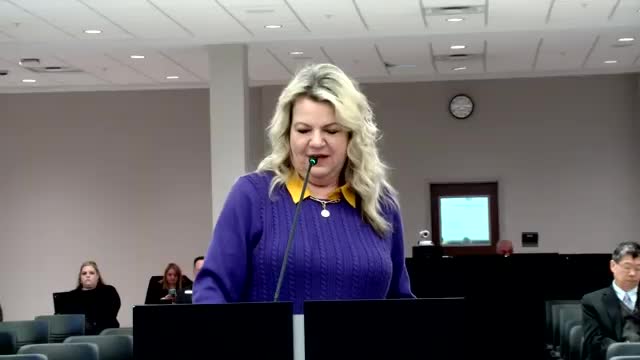
Summary
University officials told trustees the campus saw record application totals, strong admit and yield indicators for fall 2025, improvement in freshmen retention and notable graduate application growth; officials outlined targeted advising and a small "completion grant" that helped students register for spring.
Cookeville, Tenn. — Tennessee Technological University officials told the Academic and Student Affairs Committee that early indicators for fall 2025 enrollment show continued growth across undergraduate and graduate programs, with officials citing stronger application totals, higher-quality admits and modest gains in retention.
Vice President for Enrollment Management Karen Likens told trustees the university had nearly 9,600 applications for fall 2025 and about 7,800 students admitted as of the report. She said spring “showcase” events drew roughly 932 prospective students on one weekend and about 1,500 guests on the other; the university’s internal yield model projects roughly 77% of students who attend those events ultimately enroll.
“The more we can get to them and be proactive, the more likely they are to retain,” Likens said, describing outreach by Launchpad, Tech’s freshman advising center, and other targeted communications.
Why it matters: Tennessee Tech’s enrollment gains fund academic programs, research and facility upkeep. Trustees and administrators said steady yields and higher-quality admits strengthen the university’s budget outlook but noted state funding uncertainty could require additional campus decisions later this year.
Most important details
- Applications and admits: Likens said the campus had about 9,600 applications and roughly 7,800 admits for fall 2025 as of the committee meeting. - Presidential Scholars: The university has awarded 3,218 presidential scholars this cycle, up from the prior year; top-tier scholars historically yield at roughly 30%. - Housing applications: Likens reported about 1,130 housing applications from new freshmen at the time of the presentation. - Academic profile: The admitted freshman academic profile showed a 3.71 average GPA among admits and a continuing pipeline of National Merit semifinalists. - Graduate growth: Provost Trudy Bruce and Dr. Julie Baker said graduate applications are tracking up roughly 30% for the coming fall, helped by newly added online programs targeted at working professionals. - Retention and student supports: Fall-to-spring freshman retention rose by one percentage point this year. Initiatives cited include Launchpad advising (23% more students seen before registration), an academic “reboot” for 200 freshmen and a completion grant program that cleared small outstanding account balances so more than 30 students could register for spring.
Program and policy context
Provost Bruce described recruitment and retention as a coordinated effort across academic units, colleges and enrollment services. She noted the university is expanding dual-enrollment offerings and specialized outreach (for example, additional marketing by engineering to admitted students).
Bruce also highlighted a pipeline of events that bring prospective students and families to campus year-round — from competitions to spring showcases — and said those interactions frequently shape applicants’ decisions.
Trustee and student reaction
Trustees asked for additional breakdowns (for example, the percentage of new students coming from two‑year colleges); Likens said she would provide that data to trustees. Student government leadership told the committee that, while students understand the university’s recruitment work, any tuition or fee changes tied to enrollment planning should be communicated clearly to students and families.
What’s next
Administrators said they will continue to track admit-to-enroll yields through summer programs (SOAR), follow up on graduate application trends, and report updated figures to the board as the fall census approaches.