Get Full Government Meeting Transcripts, Videos, & Alerts Forever!
Get email alerts on the Budget Adoption topic
No spam. Unsubscribe anytime.
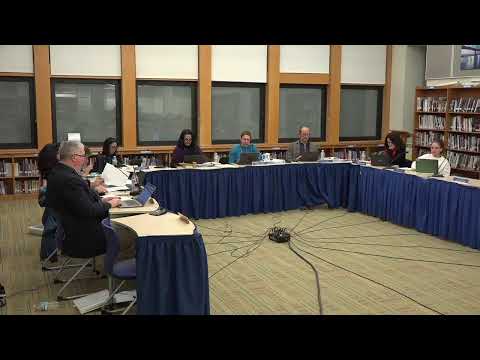
Pelham board continues budget review: $96.29 million proposal, 3.69% tax levy increase
Summary
Superintendent and business staff presented a $96.29 million 2025-26 spending plan, a 2.9% increase year-to-year and a proposed 3.69% tax levy increase under the state tax-cap formula. The presentation included staffing changes, an expected use of fund balance and projected state aid increases.
The Pelham Union Free School District on March 12 continued line-by-line review of its proposed 2025-26 budget, a $96.29 million spending plan that district business officials said represents a 2.9 percent increase in total appropriations and a preliminary allowable tax levy increase of 3.69 percent under New York's tax-cap rules.
Why it matters: The proposal drives the district’s staffing decisions and program priorities for the next year and sets the levy the community will vote on in May. Administrators told the board the budget is tax-cap compliant and reflects efforts to limit headcount increases while preserving core programs.
Top-line figures and drivers: Business officials said the budget calls for $96,290,000 in total appropriations, a 2.9 percent budget-to-budget increase. The proposed levy increase of 3.69 percent reflects the tax-cap calculation and capital exclusions tied to debt; the business office described a baseline levy growth (after certain exclusions) of roughly 2.4 percent plus a 1.29 percentage-point increase attributable to capital exclusions.
State aid and fund balance: The district expects a modest growth in state aid and noted an anticipated drop in some prior one-time aid tied to earlier capital projects. The proposed budget uses a planned appropriated fund balance of about $4,280,000, including amounts designated for debt service relief and pension reserves, which the presenters described as part of a strategic, not recurring, funding plan.
Staffing and programs: Administrators said the budget includes a net reduction in total full-time equivalents overall while adding targeted special education staffing at the secondary level and maintaining integrated programs at the elementary grades. Presenters noted the budget incorporates contractually required salary increases carried forward from prior-year agreements (a “double bump” effect where a retroactive increase plus the next-year increase are both reflected). The district also plans a new 8:1:2 classroom for students with high needs.
Facilities and mandates: The district identified several facilities projects, an ongoing Chromebook refresh (fifth- and ninth-grade cycles), and an initiative to install window air-conditioning units on upper floors that lack cooling by Sept. 1, to meet the governor’s guidance for school ventilation and comfort. Presenters said the district is at roughly 2 percent design on potential bond projects and therefore many building-level questions would be refined only after a successful vote.
Technology and BOCES services: The technology presentation detailed a continued 1:1 Chromebook program for grades 6–12, planned refresh cycles, and an increase in software and managed services purchased through the regional BOCES cooperative to maximize state aid reimbursement and vendor contract safeguards. The district’s technology incident-closure rates and help-desk metrics were highlighted as improving.
Next steps: The board planned additional in-depth budget sessions; administrators invited board members to submit follow-up questions and said staff will provide more detail on transportation and other line items during the line-by-line review period. The superintendent reminded members that the board must adopt a final spending plan before placing a tax-cap compliant budget before voters in May.
Ending: Business officials asked the board to weigh program priorities and constrained resources as they prepare final adjustments for the district’s May 20 budget vote.