Get Full Government Meeting Transcripts, Videos, & Alerts Forever!
Get email alerts on the Police Misconduct Litigation topic
No spam. Unsubscribe anytime.
Council removes offer-of-judgment items after public outcry over Brave Cave strip-search cases
Summary
Following extensive public testimony from alleged victims, attorneys and community advocates, the Metropolitan Council voted to delete several offer-of-judgment items tied to litigation arising from off-site Baton Rouge Police Department detention practices (the Brave Cave cases). Speakers demanded accountability, criticized proposed settlement
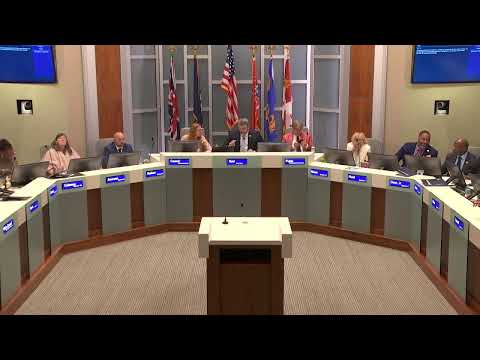
The East Baton Rouge Metropolitan Council on March 12 voted to delete at least two offer-of-judgment items that would have resolved claims tied to off-site Baton Rouge Police Department detentions known in public testimony as the "Brave Cave" cases.
The actions came after hours of testimony by alleged victims, attorneys and community members who said the offers were inadequate and that the council should seek accountability rather than approve low payouts. The council first considered item 72 (an offer of judgment in Tournelle Brown v. Baton Rouge Police Department) and later item 73 (Lorenzo Gage v. Baton Rouge Police Department); the substitute motions to approve those offers failed and motions to delete carried on the council floor.
Why it matters: Public commenters described strip-searches and humiliating treatment at an off-site facility and called the facility a site of abuse. Many speakers said proposed monetary offers were deeply insufficient and accused the parish of failing to hold officers accountable. Several community leaders warned against repurposing the off-site facility while litigation was unresolved.
Key testimony and legal context: Tournelle Brown addressed the council and described her experience; her attorneys told the council that an earlier settlement offer (sent in October) had not been adequately communicated to their client and that the amount under consideration at the meeting did not reflect their clients injuries or the attorney fees already incurred. Attorney Jessica Hawkins said Brown was not accepting $90,000 and asked the council to review a settlement letter sent Oct. 11, 2024, that contained legal support and case law.
Multiple victims and advocates urged the council to reject the offers and to prioritize victims care and compensation. Attorney Ron Haley, representing a different plaintiff, warned that approving low offers could effectively penalize victims who rejected them: in some procedures, a plaintiff who refuses an offer and then obtains a judgment lower than the offer can be responsible for attorney fees and costs. Haley told the council, "Do not treat them like you're a claims adjuster. Treat them as people" (Attorney Ron Haley).
Process questions: The parish attorneys office explained the difference between a settlement recommendation and an offer of judgment. Parish counsel and plaintiffs' attorneys also described communication problems: plaintiffs counsel said they did not receive adequate outreach from the parish attorneys office about the offers and that their earlier confidential settlement materials had not been answered.
Executive session: Council members held an executive session to discuss litigation matters and afterwards several items were deleted or deferred. Council members and plaintiffs attorneys said the plaintiffs had been briefed on the executive-session discussions; plaintiff counsel said they still objected to the amounts on the table.
Votes and motions: On item 72 (Tournelle Brown), a substitute motion to approve the offer failed on the council floor and the original motion to delete the item carried; the meeting transcript records the substitute approval motion and then the deletion motion, with the final result that item 72 was deleted. On item 73 (Lorenzo Gage), the council also later deleted the item after discussion and an attempted substitute motion.
Community reaction: Scores of speakers filled the chamber and the overflow rooms. Speakers included clergy, attorneys, survivors, activists and residents who described trauma, demanded transparency, and opposed repurposing the off-site facility. Several speakers criticized the parish for lengthy litigation costs and urged the council to prioritize accountability.
Next steps: Council members deferred or deleted the offer-of-judgment items at the meeting. Plaintiffs counsel urged further negotiations and asked the council to give victims sufficient compensation and services, including counseling and long-term support. The parish attorneys office said offer-of-judgment procedures are governed by court rules and that an offer of judgment can carry procedural consequences if rejected; parties can still negotiate after an offer is lodged.
Ending: The councils decision to delete the items followed intense public pressure and raised new calls for transparency in the handling of police misconduct litigation and for community involvement in decisions about city-owned properties tied to the cases.