Get Full Government Meeting Transcripts, Videos, & Alerts Forever!
Get email alerts on the Consumer Claims topic
No spam. Unsubscribe anytime.
Survivors and consumer advocates tell Senate committee claims process can stall despite some rapid advances
Summary
A Palisades resident and consumer advocates described initial insurer responsiveness after the fires but reported delays and confusion with contents and inventory claims; advocates urged clearer protections for renters and low‑income survivors.
A Palisades resident who lost her home described a claims experience she said began with quick insurer contact and interim payments but then stalled after adjuster changes, leaving her uncertain about contents compensation.
Barbara Berenbaum, identified in testimony as a Palisades resident who said she had owned her home for 34 years, told the committee she initially experienced “pretty good” service: she filed a claim within days, had multiple adjusters assigned and received housing payments in the weeks after the fire. She said the dwelling adjuster gave policy limit figures for the dwelling and other structures but that “then nothing happened” on the contents side after adjuster changes, adding that a recent “contents estimate went lower than I thought we were gonna get.”
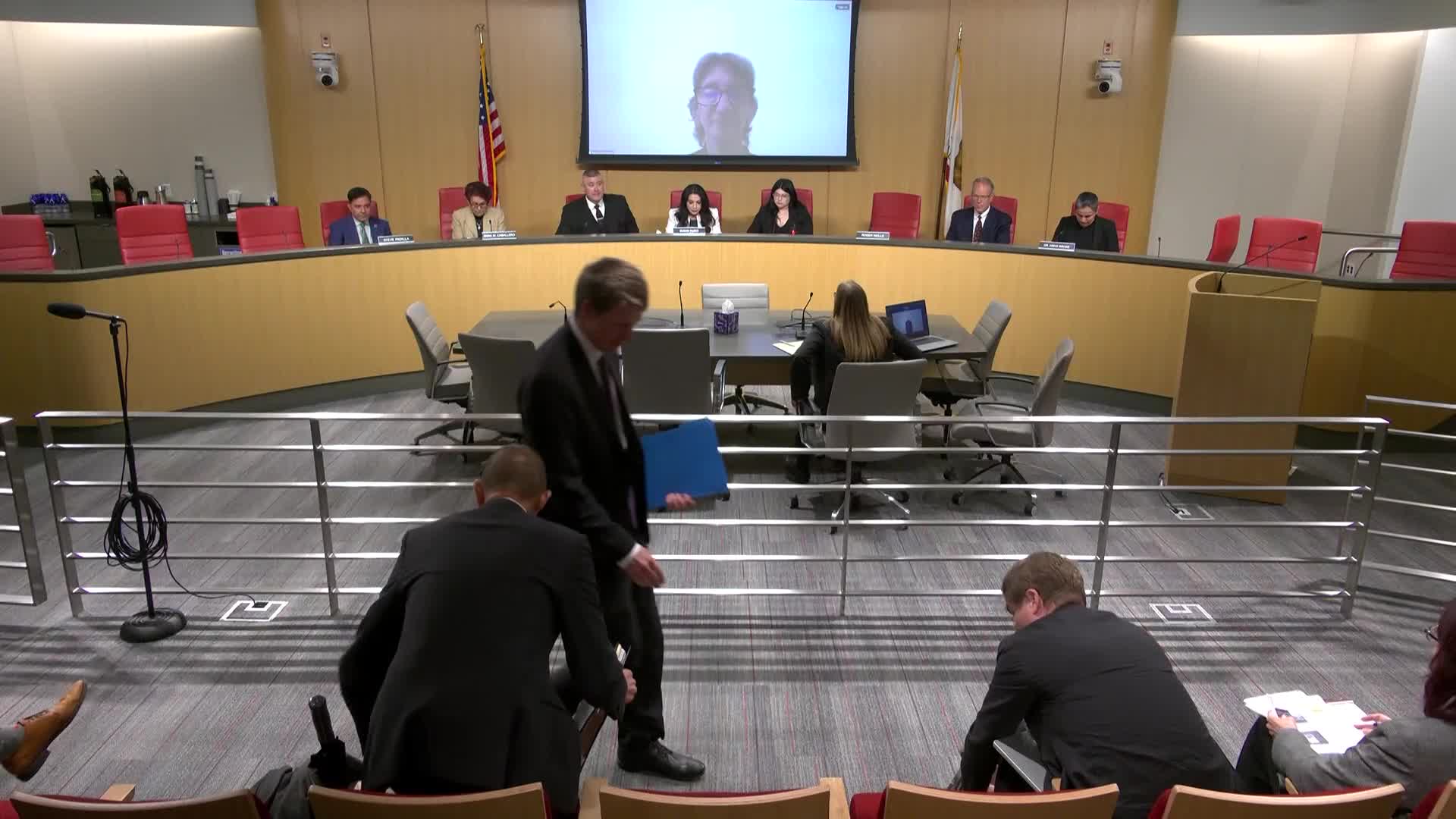
United Policyholders Executive Director Amy Bach, testifying by Zoom, said advocates had tabled at disaster recovery centers and observed that partial losses can be especially contentious because policyholders who receive ambiguous or low contents offers may be left in prolonged uncertainty. She urged proper testing and scoping of smoke damage and said some legal disputes are already playing out in court. Bach said existing legislative fixes — required advances of temporary rent and contents benefits and moratoriums on nonrenewals — were helping, but that “we need more fixes” in areas such as mitigation rewards and closing moratorium loopholes.
Consumer Watchdog Executive Director Carmen Balber told senators the industry had been more profitable in California than advocates expected and called for tougher requirements that insurers offer coverage to homeowners who implement mitigation. Balber urged a public wildfire catastrophe database, a requirement that insurers cover mitigated homes, and more scrutiny of reinsurance pass‑throughs.
Nut graf: Panelists representing consumers said several recent department and legislative steps (advances, moratoria, temporary cash advances) were beneficial but that renters, low‑income survivors and those with partial losses face unique barriers and need continued help from regulators and targeted programs to ensure equitable recovery.
Renters and vulnerability: Senators pressed advocates and department officials about renters. Department staff said the moratoriums cover renters as well and invited constituents to contact the department for consumer assistance; officials reiterated the department’s outreach via disaster recovery centers and insurance workshops serving thousands of survivors.
Ending: Advocates and the resident asked for continued oversight, clearer standards for smoke‑damage testing, and programmatic support for renters and low‑income survivors who lack resources to hire adjusters or legal counsel.