Get Full Government Meeting Transcripts, Videos, & Alerts Forever!
Get email alerts on the Sustainable Insurance Strategy topic
No spam. Unsubscribe anytime.
California Department of Insurance details consumer protections, implementation progress on sustainable insurance strategy after Los Angeles wildfires
Summary
Department of Insurance officials told the California Senate Insurance Committee they have enacted immediate consumer protections for wildfire survivors and are moving to implement Commissioner Ricardo Lara’s sustainable insurance strategy, while urging continued legislative support and community mitigation.
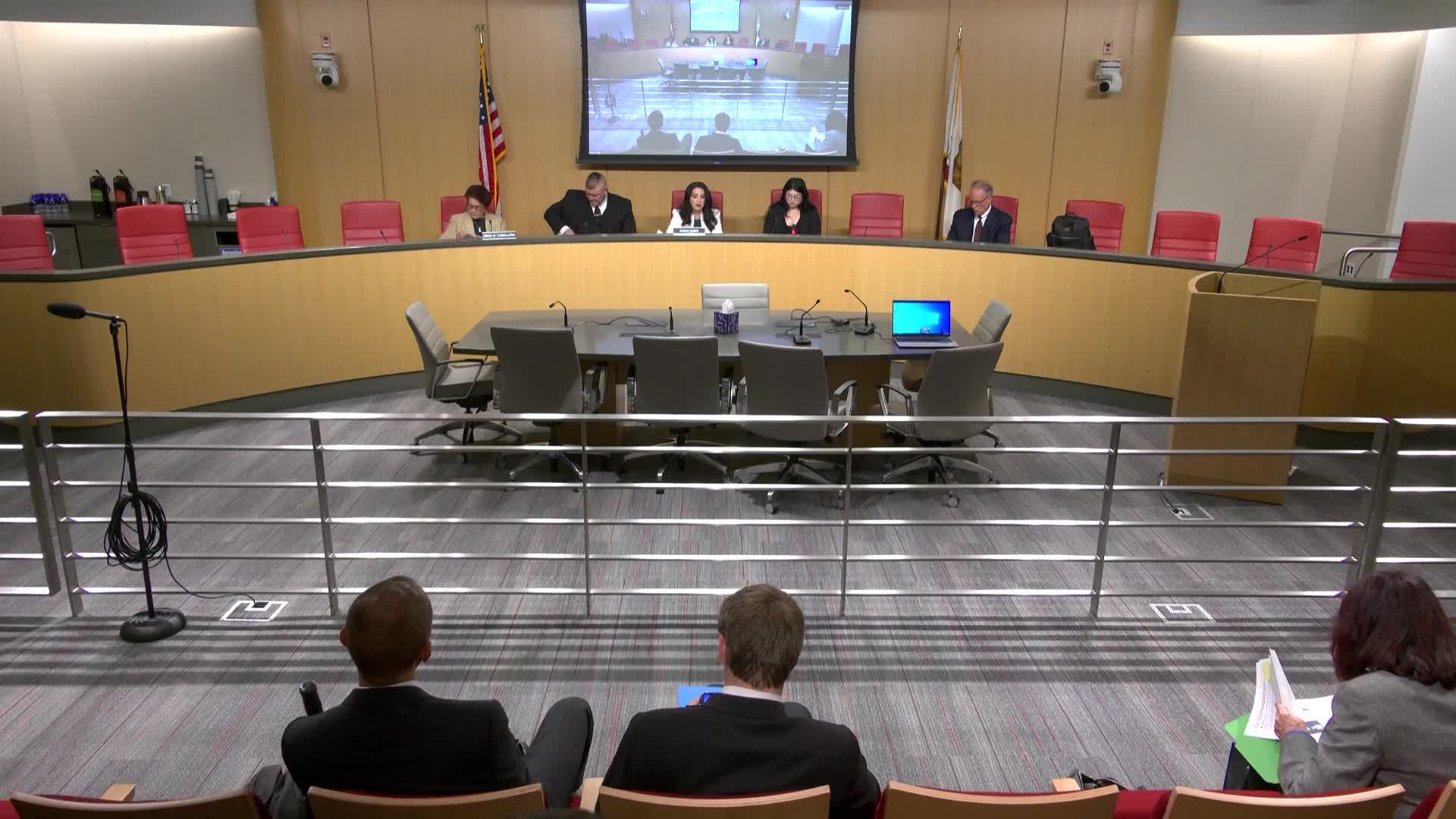
The California Department of Insurance told the Senate Insurance Committee on an unspecified date that it has taken a string of actions to help homeowners and renters affected by the recent Los Angeles wildfires and is proceeding with implementation of Commissioner Ricardo Lara’s sustainable insurance strategy.
The department’s chief deputy commissioner, Michael Martinez, said the agency’s “job at the Department of Insurance is and always has been to protect consumers. Hold insurance companies accountable. And make sure California's insurance market is stable, sustainable, and working for the people who need it most.”
The department described immediate and regulatory steps it said were intended to stabilize markets and speed payments to survivors. Those steps include directing insurers (including the California FAIR Plan) to provide advance payments — including at least four months of additional living expenses and at least 30% of contents coverage upfront without requiring a detailed inventory — and announcing that many companies had agreed to pay 75% to 100% of contents coverage without inventories. Martinez said those advances were intended to “get consumers the money that they need” during recovery.
Nut graf: The department framed the actions as both emergency response and part of a larger reform effort. Deputy Commissioner Michael Peterson said the sustainable insurance strategy, finalized in December and aimed at modernizing rate review, integrating catastrophe models and reinsurance into rate making, and requiring insurer commitments to write more policies in wildfire‑distressed areas, remains on track despite the fires.
Officials gave committee members several additional figures and program updates. Martinez said department staff have staffed more than 30 disaster recovery centers since 2019, assisted more than 7,000 wildfire survivors through insurance support workshops, helped recover about $150,000,000 for policyholders through markets conduct examinations, and have displayed a public consumer claims tracker showing roughly $12,100,000,000 in claims paid across more than 37,000 claims related to the Los Angeles fires. He said Commissioner Lara has issued 36 one‑year moratoriums on residential cancellations or nonrenewals since 2019, protecting more than 4,000,000 Californians, and that the most recent moratorium covered about 104 ZIP codes representing roughly 924,000 policies.
Policy work in progress: Peterson summarized regulatory items the department completed by the commissioner’s 12/31/2024 target date, including catastrophe‑modeling regulation, rate filing process reforms, and a California‑only reinsurance cost rule. He said the department has finalized FAIR Plan modernization policies and identified wildfire‑distressed areas, and that public rulemaking on intervener reform is planned.
The department also described enforcement and anti‑fraud steps: a newly created insurance fraud strike team, direction for health insurers to file emergency continuity plans, and more than $550,000,000 allocated through existing grant funding to district attorney offices statewide to combat insurance fraud, the department said.
Committee members asked for clarifications about proactive measures (for non‑Los Angeles regions and risks such as flood and earthquake), how long mitigation and modeling changes will take to affect premiums, and protections for renters. Martinez and Peterson said risk mitigation incentives (rate discounts for approved home‑hardening measures), catastrophe model and reinsurance regulations, and outreach to increase take‑up of flood insurance are intended to address broader risk, but implementation is multi‑year and will take time to affect availability and affordability.
Ending: Committee leaders asked the department to return for more detailed follow‑up hearings. The department requested continued legislative support to implement the sustainable insurance strategy and to back community mitigation efforts that officials said are necessary for long‑term market stability.