Get Full Government Meeting Transcripts, Videos, & Alerts Forever!
Get email alerts on the Higher Education Access topic
No spam. Unsubscribe anytime.
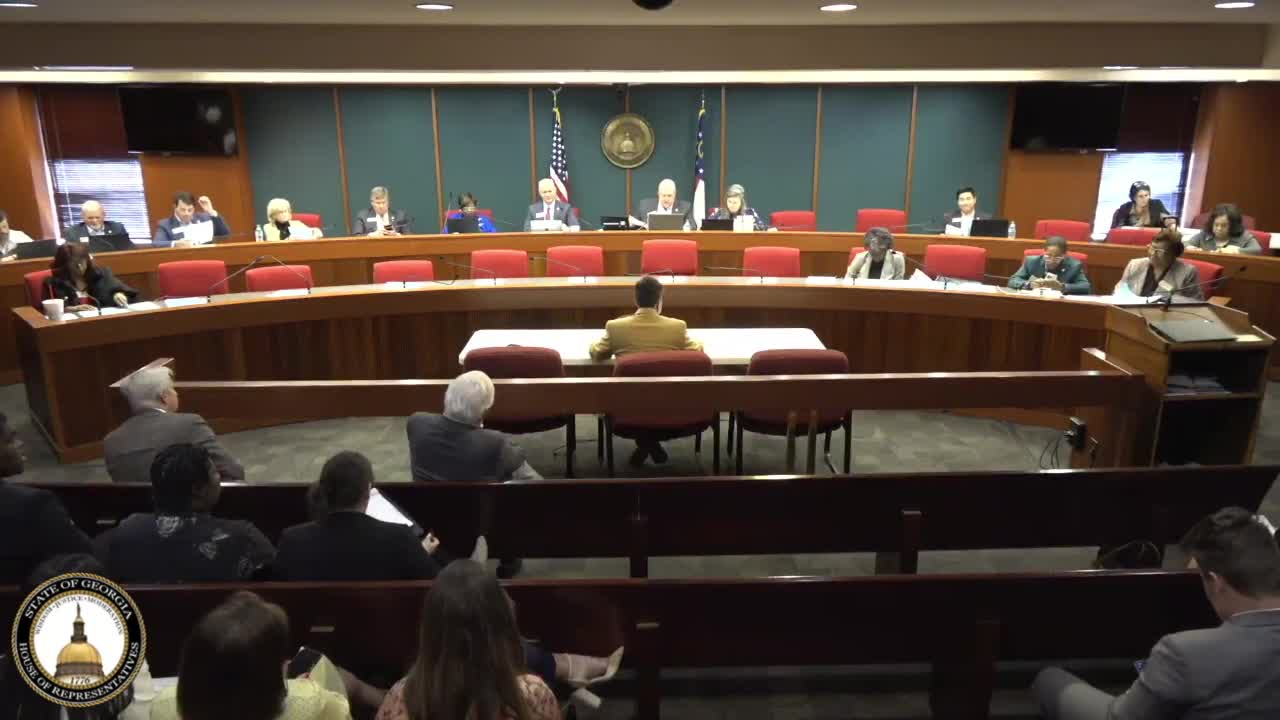
Senate hears bill establishing Georgia Foster Care Scholarship to cover tuition, fees, housing and books
Summary
Sen. Bratz introduced the Georgia Foster Care Scholarship Act (SB 85), a hearing‑only bill to provide scholarships that would cover tuition, fees, books and living costs for students who were in Georgia’s foster care system, supplementing HOPE and federal grants.
Senator Bratz presented the Georgia Foster Care Scholarship Act (identified in the hearing as SB 85) to create a scholarship program to support young people who spent time in Georgia’s foster care system. Bratz described the scholarship as intended to supplement existing sources such as federal grants and the HOPE scholarship and to cover direct and indirect costs of postsecondary attendance, including tuition, books, fees, housing and meal plans.
Committee members praised the measure and asked detailed questions about eligibility windows, GPA or academic progress requirements, maximum award limits and appropriation mechanisms. The author said eligibility language requires applicants to enroll within three years of receiving a high school diploma or equivalent; the program would generally continue awards while a student remains in good standing at an eligible Georgia institution (the bill references eligible HOPE schools).
On eligibility timing and age limits, members and witnesses discussed related programs that allow continued foster care services, Medicaid coverage and the Fostering Success Act benefits through age 25 or 26 in some cases. Bratz said the three‑year enrollment window helps the state estimate and appropriate funds, while acknowledging other foster care benefits can extend longer in some programs.
On fiscal and scope questions, the author said the appropriation for the program was expected to be in the budget; staff noted roughly 750 students per year qualify generally for post‑foster care services and the foster‑care scholarship would be a subset of that population. The committee discussed whether scholarship amounts should be capped per student or vary by institution; Bratz said the bill caps awards so that a student’s foster care scholarship shall not exceed the cost of tuition, room, board, meal plan and books at an eligible Georgia institution.
Ending: The committee treated SB 85 as a hearing item; members generally expressed support and requested further appropriation details as the bill moves through the process. No committee vote was taken at the hearing.