Get Full Government Meeting Transcripts, Videos, & Alerts Forever!
Get email alerts on the Cybercrime Subpoena Authority topic
No spam. Unsubscribe anytime.
Senate committee advances bill expanding GBI administrative subpoena authority for swatting and domestic-terrorism threats
Summary
The Senate Judiciary Committee unanimously advanced a bill giving the GBI administrative subpoena authority to obtain subscriber information in investigations of swatting, domestic terrorism, terroristic threats and harassing phone calls.
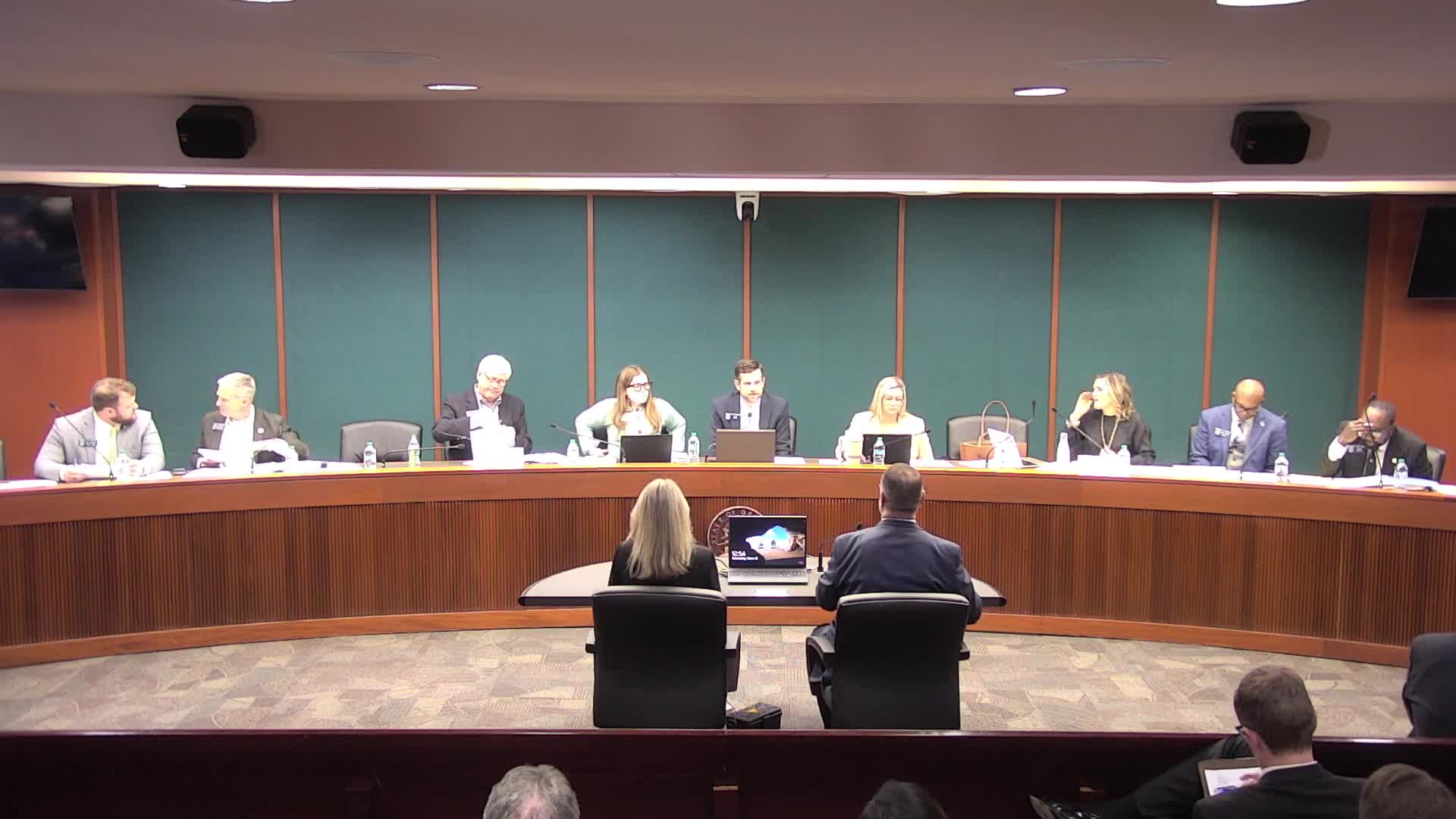
The Senate Judiciary Committee unanimously advanced House Bill 161 after hearing testimony from Georgia Bureau of Investigation (GBI) officials and legislative counsel about a late substitute that reorganized definitions and clarified prosecutorial language.
What the bill would do: The proposal would add several crimes — domestic terrorism, terroristic threats, swatting and harassing phone calls — to the list of offenses for which the GBI director or assistant director, with oversight from the Attorney General, may issue administrative subpoenas for basic subscriber information from electronic service providers. Agency witnesses emphasized the limited scope: the subpoena authority targets subscriber data (e.g., account or IP attribution) rather than the content of communications so investigators can quickly identify the source of urgent threats.
Why it matters: Sarah Lou, special agent in charge of the GBI Cybercrime Center, described repeated swatting and cyber-enabled threats to public officials and schools in 2023–24 and said “time is of the essence” to identify sources and assess credibility. She noted the GBI already uses administrative subpoena authority routinely in child exploitation cases and that similar procedures expedite operational responses when grand jury subpoenas are not practical.
Late substitute and statutory drafting: Committee members asked about changes in how the code defines domestic terrorism. Robert Smith (PAC) said the substitute moved the elements of the definition into the crime statute to ensure prosecutors can prove and use the offense as intended; he added he used an operational definition of “assassination” drawn from other jurisdictions to avoid leaving that term undefined. The author and counsel said the substitute did not change the substantive scope but reorganized text for prosecutorial clarity.
Committee action: After discussion and agency testimony, the committee recorded a unanimous do-pass vote and identified a Senate sponsor to carry the bill to the floor.