Get Full Government Meeting Transcripts, Videos, & Alerts Forever!
Get email alerts on the Unemployment Electronic Service topic
No spam. Unsubscribe anytime.
Panel advances bill allowing electronic service for unemployment appeals
Summary
A Georgia legislative committee advanced a bill that would let claimants opt into email service for unemployment determinations while keeping the 15‑day appeal period intact; lawmakers questioned whether the measure gives the labor commissioner discretion over time limits.
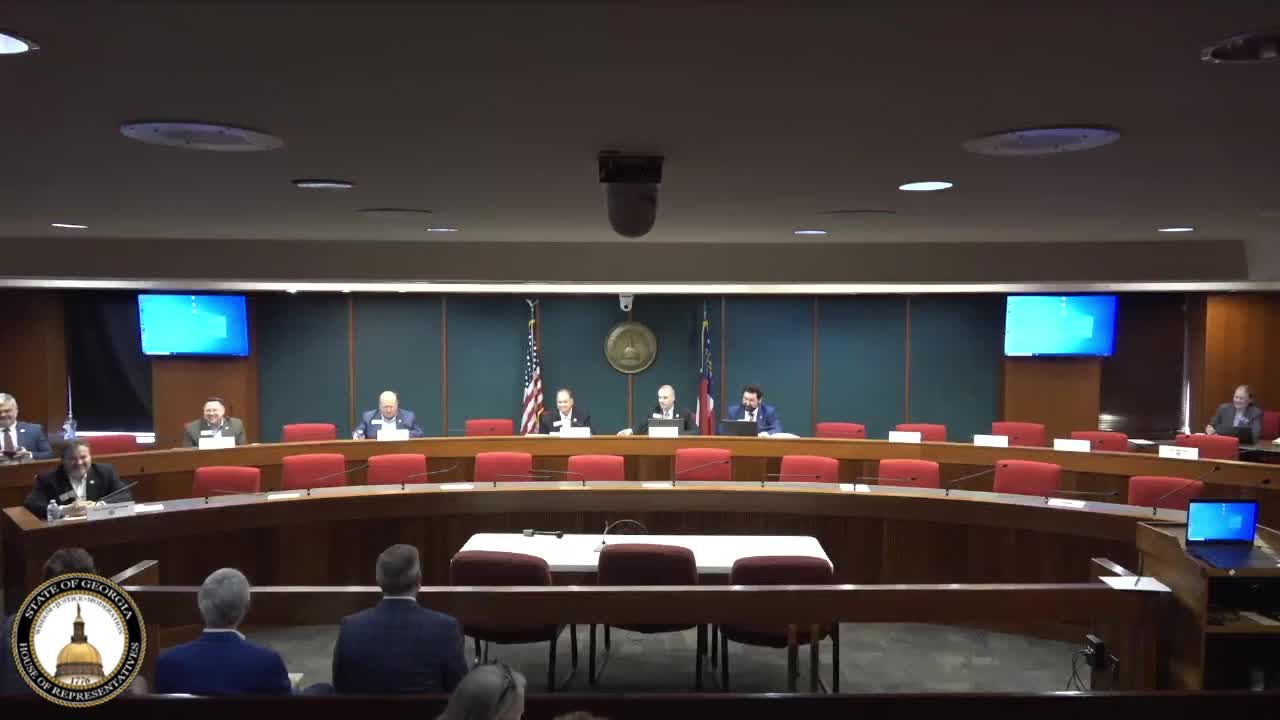
A Georgia legislative committee on Monday advanced a bill that would allow people appealing unemployment determinations to opt into receiving decisions and notices by email, rather than by mail, while retaining the existing 15‑day appeal period.
Proponents said the change would reduce the lag caused by postal delivery and speed up the appeals process for Georgians. "We're not changing the days of response time," Senator Still said during the committee hearing. "So it's actually expanding the amount of time in response."
Supporters told the committee that the applicant must opt in to electronic service, and that the Georgia Department of Labor (GDOL) is moving to a largely automated system that will track electronic service indefinitely. "The Georgia DOL is in the process of moving to an entirely automated system," Still said, adding the platform will create a digital record of service.
Several committee members raised a separate concern about language in the bill that they said could be read to give the labor commissioner discretion to alter time limits for determinations. One member asked whether the bill would allow the commissioner to "waive, alter, extend, or set aside the time limit provisions." The sponsor disputed that reading and said legal staff and GDOL counsel had explained the provision applies to how the issue date is defined when electronic service is used. Senator Still said the change reflects that the date printed on an emailed decision, rather than a mailing date, will control the 15‑day clock for those who opt in.
A committee member requested that legislative counsel provide a written opinion to clarify the interpretation of the bill's rule‑making language. Staff said they could research and provide further clarification.
The committee approved the measure identified in the hearing as "Senate Bill 191 (LC 461093)." The motion carried after a voice vote. The committee record showed the motion passed with no named roll‑call recorded in the transcript provided.
The bill would not alter the 15‑day response period itself, according to testimony, but would change how that period is measured for people who consent to electronic service. The measure does not, in the text discussed at the hearing, change substantive appeal rights or add new penalties; it changes the method of service for notices and determinations.
Committee members and staff discussed the practical effect of the change for claimants who continue to use postal service: the sponsor said those claimants may experience longer delays because mail can take extra days to arrive, while those who opt into email would receive decisions immediately.
The committee advanced the bill for further consideration.