Get Full Government Meeting Transcripts, Videos, & Alerts Forever!
Get email alerts on the Privacy Doxxing topic
No spam. Unsubscribe anytime.
Subcommittee hears competing views on Anti-Doxxing Act; First Amendment concerns raised
Summary
Senate Bill 27, the proposed Georgia Anti-Doxxing Act, received a hearing with testimony both supporting stronger criminal penalties for malicious doxxing and questioning whether the bill's language would survive constitutional review under the First Amendment.
Senate Bill 27, the Georgia Anti-Doxxing Act, received extended debate in the Judiciary subcommittee as sponsor Senator John Albers described the bill's intent to criminalize the malicious online publication of personally identifiable information (PII) and to elevate certain aggravated acts to felony-level offenses.
Albers told the committee the bill defines doxxing, imposes misdemeanor penalties for ordinary doxxing, and a felony for aggravated doxxing when the actor intends to cause death or bodily injury. He said sponsors worked with former Attorney General Sam Owens and other stakeholders to craft the language and included a First Amendment savings clause intended not to curtail protected speech.
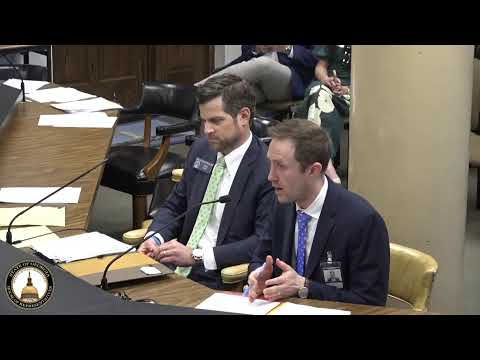
Public testimony and committee questioning raised constitutional concerns. Andrew Fleischman, a private citizen who said he was swatted twice, argued the bill as written is a content-based restriction that would face strict-scrutiny review and is overbroad and underinclusive. Fleischman cited multiple U.S. Supreme Court and state-court decisions he said limit the scope of criminal or civil restrictions on publication, including Cox Broadcasting and Florida Star, and urged a narrower, "willful" intent standard or a statute targeted at true threats and speech integral to criminal conduct.
Supporters including Sam Owens of the Anti-Defamation League told the committee the bill's language is intentionally tied to the U.S. Supreme Court's Counterman v. Colorado decision (2023) and that the statute includes detailed definitions of covered PII and specified harms (stalking, fear, serious bodily injury, economic loss, mental anguish). Sponsors and witnesses said the current draft was tightened from prior versions to address concerns about breadth and First Amendment limits.
Committee members asked whether the statute would reach speech published outside the state, whether reckless-disregard is an adequate mens rea, and whether the bill would be misused in private disputes. Witnesses recommended additional drafting options and offered to provide model language from other states that have survived court scrutiny.
The subcommittee held the bill as a hearing-only item and did not record a committee vote during this session; sponsors indicated intent to refine language and consult stakeholders further before future action.