Get Full Government Meeting Transcripts, Videos, & Alerts Forever!
Get email alerts on the Procurement Qbs topic
No spam. Unsubscribe anytime.
Georgia committee approves bill to require qualification-based selection for architects and engineers
Summary
The House Governmental Affairs Committee on [date not specified] passed Senate Bill 51, extending a qualification-based selection process to state and local procurements of architects and engineers.
The House Governmental Affairs Committee on [date not specified] passed Senate Bill 51, extending a qualification-based selection process to state and local procurements of architects and engineers.
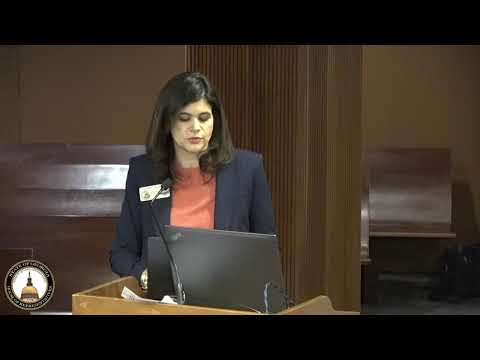
Senator Cecil, who presented the bill to the committee, said the change would align local procurement practices with the method the state and the Board of Regents already use and with federal procurement law. “The architect engineer is the trusted advisor for the owner,” Cecil said, and selecting firms on qualifications, rather than letting low fee dominate the selection, “aligns the architect engineer’s scope and direction with the government so they serve as that trusted advisor throughout the entire process.”
Supporters said the process, commonly called QBS, is designed to have public owners pick the most qualified firm first and negotiate price afterward. Cecil told members the federal government has used that approach for decades and that Georgia’s state and university systems have required it since the early 2000s. “When you put fee on the table, that tends to blank out everything else,” he said, arguing that a QBS method prevents low-fee procurements from producing incomplete design documents, change orders and cost uncertainty during construction.
Committee members asked how the measure would affect local control and whether counties and cities would still set their own qualification criteria. Cecil pointed to language in lines 86–93 of the bill that he said gives local governments “sole and absolute discretion” to determine the qualifications and weighting for each procurement, and he said the bill therefore preserves flexibility in local procurement criteria while standardizing the selection method.
Committee members also raised concerns about smaller firms and minority-owned businesses. Cecil said local governments could tailor selection criteria for smaller projects to encourage smaller or local firms where appropriate. Representative Bernal and others asked whether the bill is a mandate; representatives of the Association County Commissioners of Georgia (ACCG) were reported in committee materials as opposing the bill because it is mandatory rather than voluntary, while the Georgia Municipal Association (GMA) was reported as supportive.
The bill’s supporters framed it as a stewardship and quality-control measure for large public projects. “For those big decisions, do you want to have the best expert or do you want to have the cheapest provider?” Cecil asked the committee. Several members with engineering or procurement experience said they considered QBS a proven best practice that reduces downstream change orders and improves project outcomes.
After discussion the chair entertained and accepted a motion to pass the bill. The committee approved Senate Bill 51 by voice vote; the clerk recorded “ayes have it,” and no roll-call tally was recorded in the transcript.
The sponsor said he would confirm a House sponsor to carry the bill in the House.
Votes at a glance: Senate Bill 51 — Motion to pass (mover: Chairman Thomas); outcome: passed by voice vote (recorded in transcript as “ayes have it;” no roll-call tally recorded).