Get Full Government Meeting Transcripts, Videos, & Alerts Forever!
Get email alerts on the Veterinary Loan Program topic
No spam. Unsubscribe anytime.
Senate bill would offer cancelable loans to veterinarians serving shelter medicine
Summary
Senate Bill 20 would create a service-cancelable loan program to encourage veterinarians to work in shelter medicine and nonprofit spay/neuter clinics, offering $25,000 per year for up to three years and limiting initial awards subject to appropriations.
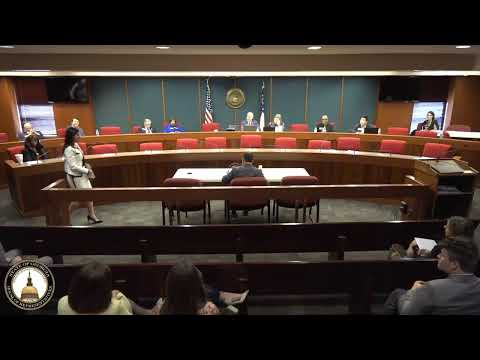
Senator Kirkpatrick introduced Senate Bill 20, saying the measure would provide service-cancelable loans to veterinarians who commit to practicing in shelter medicine or nonprofit pet sterilization clinics for three years.
"This bill is an attempt to help with the shortage of veterinarians practicing in shelter medicine and nonprofit pet sterilization clinics around the state," Senator Kirkpatrick said. She told the committee the awards would be "consistent with other service cancelable loans at $25,000 per year of service after time served up to 3 years with a total of 4 awards the first year subject to appropriations."
The bill aims to address a reported backlog of spay/neuter procedures that, Kirkpatrick said, has increased wait times to two to four months and contributed to "a doubling of shelter intake and euthanasia since 2021." She told the committee veterinarians typically carry large student debt—"almost $200,000" in many cases—and that vets working in shelter settings earn about 30% less than private-practice counterparts.
Section 1 of the draft sets definitions; Section 2 authorizes a committee within the existing Veterinary Education Board housed in the Department of Agriculture to recommend applicants and outlines qualifications for two committee additions. Section 3 describes the loan structure and requirements. Kirkpatrick emphasized the program would be administered within the Department of Agriculture and that appropriations for this program and the existing food-animal program would remain separate.
Committee members asked several clarifying questions about scope and funding. Representative Scawkins compared the bill’s structure with prior legislation for large-animal veterinarians and said the intent and structure were similar. Kirkpatrick said she had worked with the commissioner of agriculture, the Georgia Veterinary Medical Association, and the veterinary board ‘‘for several months’’ to produce a substitute bill and preferred no further amendments at the hearing. When Representative Merchant Clark asked how the $25,000 award amount was determined, Kirkpatrick replied it matched other service-cancelable loan programs. On funding, she said the program would be "subject to appropriations" and that the first-year request was $100,000.
Kirkpatrick also confirmed eligible participants would include veterinarians who choose shelter medicine as a specialty and that nonprofit clinics or staff working in similar roles could be eligible. She declined to broaden the bill at the hearing to fold in a veterinary technician bill that she said had only been brought to her attention that day.
The measure was presented as a hearing-only item; the committee did not take a final vote during this session. The sponsor indicated she was available to answer additional questions and suggested further work on related items could be done outside the hearing.
Details about implementation, including how many awards would be funded in future years and final appropriations, will depend on the legislature’s budget actions and any committee or floor amendments.